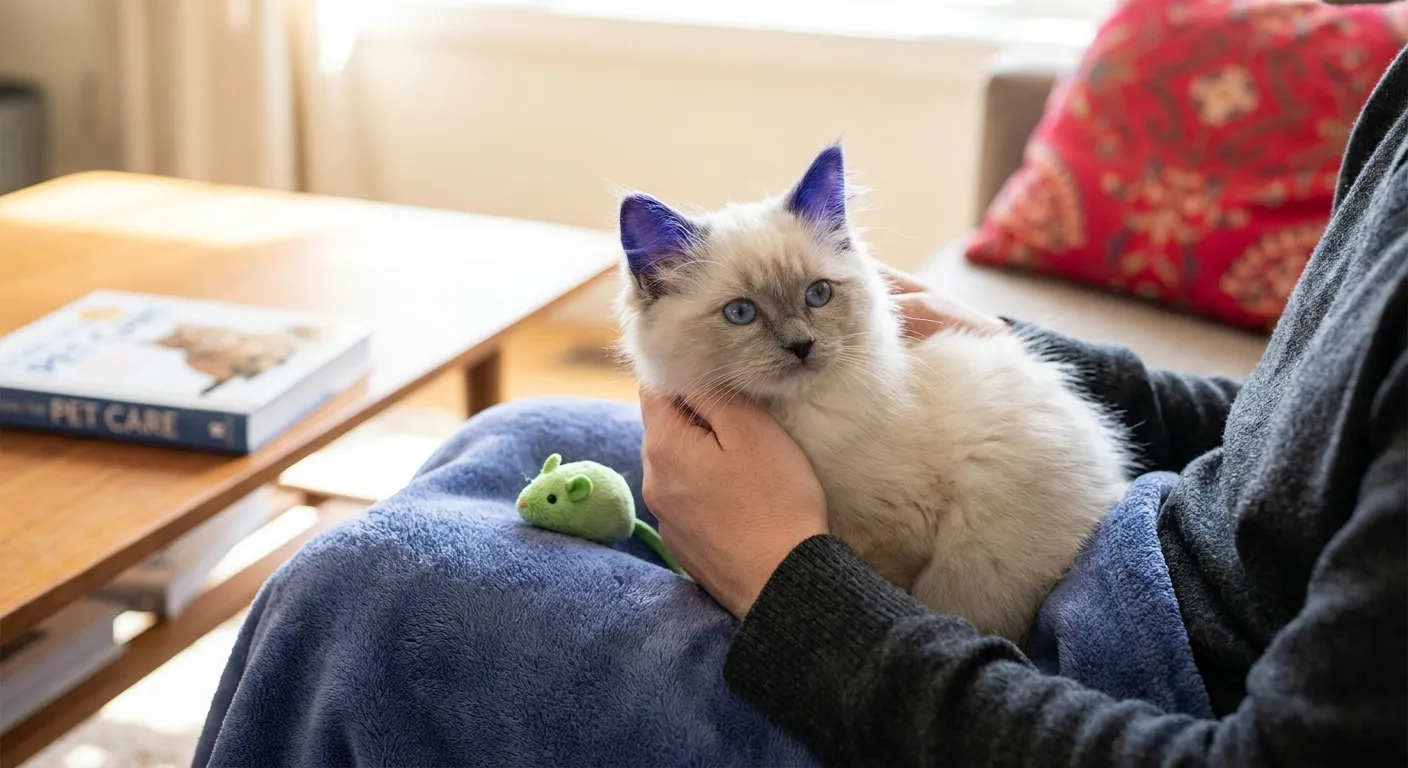
Bringing a new feline friend into your home is an exciting time, especially when welcoming a Ragdoll kitten. These gentle giants, known for their docile temperament and stunning blue eyes, quickly become cherished family members. As pet humanization continues to rise – with pets increasingly viewed as integral parts of our households – ensuring a smooth, stress-free transition for your new Ragdoll is paramount. This guide will walk you through preparing your home, understanding their unique personality, and fostering a loving bond from day one.
Preparing Your Home for Your New Ragdoll Kitten
Before your kitten even steps paw inside, creating a safe and stimulating environment is crucial. Think like a kitten: what might be tempting, and what could be dangerous? Secure loose wires, put away small objects they might swallow, and ensure all toxic plants are out of reach. Remember, the average annual household spending on pets in the U.S. is projected to reach $1,445 per pet by 2026, indicating a willingness to invest in their well-being – start with a safe home. Furthermore, a well-prepared home reduces stress for both you and your new companion.
Essential Setup Checklist for Your New Companion
- Safe Space: Designate a quiet, small room (like a spare bedroom or bathroom) as their initial ‘base camp’. This helps them acclimate without being overwhelmed by the entire house.
- Food & Water Stations: Place sturdy, clean bowls for food and fresh water. Consider a ceramic or stainless steel bowl to prevent chin acne. A water fountain can encourage hydration, which is vital for feline health.
- Litter Boxes: Ragdolls are typically fastidious. Have at least two litter boxes in different, easily accessible locations, using a low-dust, unscented litter. Their slightly larger size means larger boxes are often appreciated. For more tips, read our guide on Fix Ragdoll Cat Litter Box Issues Fast.
- Scratching Posts & Toys: Provide various scratching options (vertical posts, horizontal pads) to protect your furniture. A selection of interactive toys, wand toys, and soft plushies will help them burn energy and bond with you.
- Comfortable Bedding: Offer soft beds or blankets in their safe space and other quiet spots around the house.
Understanding the Ragdoll Temperament
Ragdolls earned their name for their tendency to go limp when picked up, a testament to their relaxed and affectionate nature. They are generally very tolerant, gentle, and enjoy being around their people. Unlike some more independent breeds, Ragdolls thrive on companionship and can become quite attached. They often follow their owners from room to room and love to participate in household activities. This makes them wonderful companions for families and individuals alike.
Key Personality Traits of Ragdoll Kittens
- Affectionate & Docile: They adore cuddles and lap time. They seek out human interaction and thrive on attention.
- Intelligent & Playful: They can be taught tricks and enjoy interactive play. Their intelligence means they appreciate mental stimulation. Discover more about Smart Ragdoll Cats and Their Surprising Intelligence.
- Quiet & Mellow: Their meow is often soft, and they are not typically highly vocal. This makes them excellent apartment dwellers.
- Adaptable: With proper introduction, they usually get along well with children and other pet-friendly animals. They are known for their easygoing nature.
The First Few Days: Settling In Your New Ragdoll Kitten
The initial days are crucial for your kitten to feel secure and loved. Patience is key during this period. Allow your Ragdoll to explore their designated safe room at their own pace. Sit quietly with them, offering gentle pets and soft words. Avoid overwhelming them with too much attention or loud noises. Gradually introduce them to other family members and pets, always supervised and for short periods. This gradual approach builds trust and confidence.
Building a Bond with Your Ragdoll Kitten
Bonding with your new companion is one of the most rewarding aspects of pet ownership. Spend quality time playing with them using wand toys or laser pointers. Grooming, such as gentle brushing, not only keeps their coat healthy but also strengthens your connection. Positive reinforcement, like treats and praise, will help them associate you with positive experiences. Furthermore, establishing a consistent routine for feeding, play, and sleep provides a sense of security for your little one.
Feeding Your Growing Ragdoll
Proper nutrition is fundamental for your Ragdoll kitten’s growth and development. Consult with your veterinarian or the breeder about the best type of food and feeding schedule. Kittens require nutrient-dense food to support their rapid growth. Always provide fresh water, and monitor their food intake to ensure they are eating adequately. Moreover, avoid sudden changes in diet, as this can upset their sensitive stomachs. Transition new foods slowly over several days.
Health and Wellness for Your Young Ragdoll
Regular veterinary check-ups are essential for maintaining your Ragdoll’s health. Schedule a visit shortly after bringing your kitten home to ensure they are healthy and to discuss vaccinations, deworming, and parasite prevention. Ragdolls, like all breeds, can be prone to certain genetic conditions, so understanding their health history is important. For more information, explore common Ragdoll Cat Health Problems Every Owner Should Know.
Preventative Care and Veterinary Visits
Preventative care includes regular flea and tick treatments, as well as maintaining good dental hygiene. Your vet can advise on appropriate dental care products or procedures. Microchipping is also highly recommended for identification purposes, should your kitten ever get lost. Annual check-ups will help catch any potential health issues early, leading to better outcomes. Consequently, a proactive approach to health keeps your kitten thriving.
Training and Socialization for Your New Companion
Ragdolls are intelligent and eager to please, making them relatively easy to train. Start with basic litter box training and teach them to use scratching posts from an early age. Positive reinforcement training methods work best. Socialization is equally important; expose your kitten to various sights, sounds, and people in a controlled and positive manner. This helps them grow into well-adjusted, confident adults. For more detailed guidance, consider our article on Train Your Ragdoll Cat the Easy Way.
Positive Reinforcement and Early Training
Never use punishment, as this can damage your bond and make your kitten fearful. Instead, reward desired behaviors with treats, praise, or playtime. Teach them their name early on. You can also teach simple commands like
Related reading: