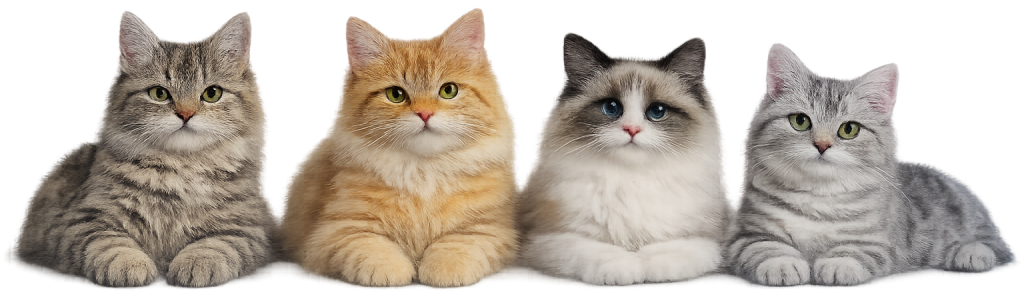
Feeding seems straightforward, but Ragdoll Cat Feeding Mistakes are more common than many owners realize, especially given the breed’s laid-back personality and tendency toward a hearty appetite. Because Ragdolls grow slowly and are prone to weight gain if overfed, feeding habits established early can have a lasting impact on their health.
Understanding the most frequent mistakes helps you build a feeding routine that supports steady growth, a healthy weight, and good digestion throughout your cat’s life.
Overfeeding and Free Feeding
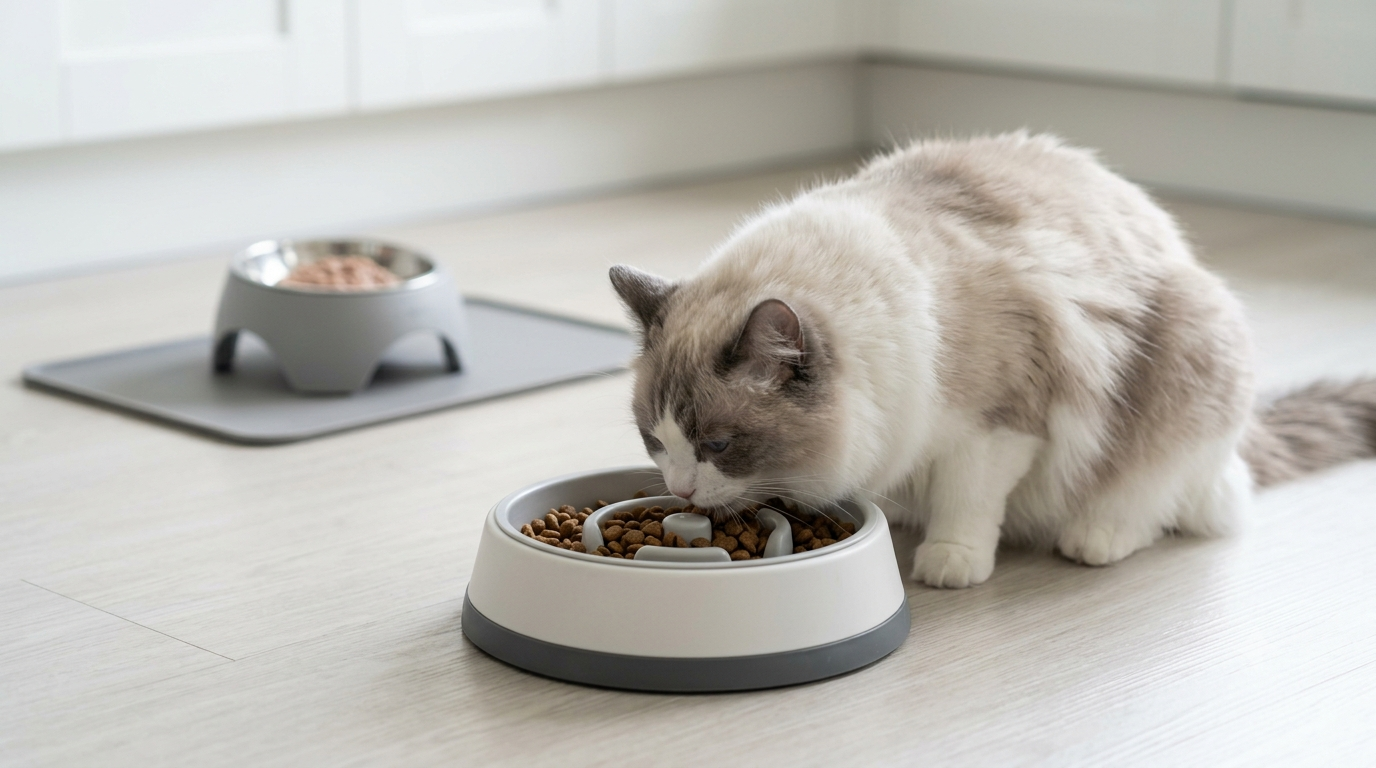
One of the most common Ragdoll Cat Feeding Mistakes is leaving food out all day without portion control. Ragdolls are a naturally large breed with a relaxed activity level, which can make them prone to weight gain if food is always available.
Free feeding makes it difficult to track how much your cat is actually eating and can mask early signs of appetite changes that might otherwise signal a health issue. Measured portions served at consistent times generally support better weight management and make it easier to notice if your cat’s eating habits shift.
Switching Foods Too Quickly
Sudden diet changes are another frequent mistake. Switching a Ragdoll’s food abruptly, whether due to convenience or a new product, can cause digestive upset, vomiting, or diarrhea.
Transitioning gradually over seven to ten days, mixing increasing amounts of new food with the old, gives your cat’s digestive system time to adjust and reduces the likelihood of stomach upset.
Relying Too Heavily on Treats
Treats are a useful training and bonding tool, but overuse is a common Ragdoll Cat Feeding Mistake. Because Ragdolls are food-motivated and often eager to please, it’s easy to give treats more frequently than intended.
Excess treats can unbalance an otherwise complete diet and contribute to weight gain over time. Keeping treats to a small percentage of daily caloric intake, as a general guideline, helps maintain nutritional balance.
Ignoring Life Stage Nutrition
Feeding an adult formula to a growing kitten, or continuing kitten food well into adulthood, is a mistake that affects nutritional balance. Kittens need higher calorie, protein, and nutrient levels to support growth, while adult cats need a different balance to maintain a healthy weight.
Transitioning to age-appropriate food at the right stages, guided by your veterinarian, helps ensure your Ragdoll gets the right nutrition throughout their life.
Not Adjusting for Activity Level or Health Changes
Feeding the same amount regardless of activity level or health status is another common oversight. A less active adult Ragdoll may need fewer calories than a younger, more playful cat, and senior cats often require adjusted nutrition to match a slower metabolism or emerging health conditions.
Regularly reassessing portion sizes with your veterinarian, especially after any noticeable weight change, helps keep your cat’s diet aligned with their current needs.
Skipping Water Intake Considerations
Feeding mistakes aren’t limited to food itself. Overlooking water intake is a common gap, particularly for cats fed primarily dry food. Adequate hydration supports kidney and urinary health, which is especially relevant as Ragdolls age.
Offering wet food, multiple water stations, or a water fountain can help encourage cats that don’t naturally drink much on their own.
Conclusion
Avoiding common Ragdoll Cat Feeding Mistakes comes down to consistency, portion awareness, and adjusting nutrition to match your cat’s life stage and activity level. Small, thoughtful choices around feeding routine and food quality can meaningfully support your Ragdoll’s long-term weight, digestion, and overall health.
When in doubt, your veterinarian remains the best resource for tailoring a feeding plan to your individual cat’s needs.
FAQ
1. Is free feeding bad for Ragdoll cats? Free feeding can make portion control difficult and may contribute to weight gain, since Ragdolls are prone to putting on extra weight if food is always available.
2. How should I switch my Ragdoll to a new food? Transition gradually over seven to ten days by mixing increasing amounts of the new food with the old to avoid digestive upset.
3. How many treats can I give my Ragdoll? Treats should generally make up only a small portion of daily caloric intake to avoid unbalancing their diet.
4. When should I switch my Ragdoll from kitten food to adult food? This depends on your kitten’s growth and should be guided by your veterinarian, since Ragdolls mature more slowly than many breeds.
5. Does my Ragdoll’s diet need to change as they age? Yes, activity level and health status change over time, so portion sizes and food formulas often need periodic reassessment with your vet.