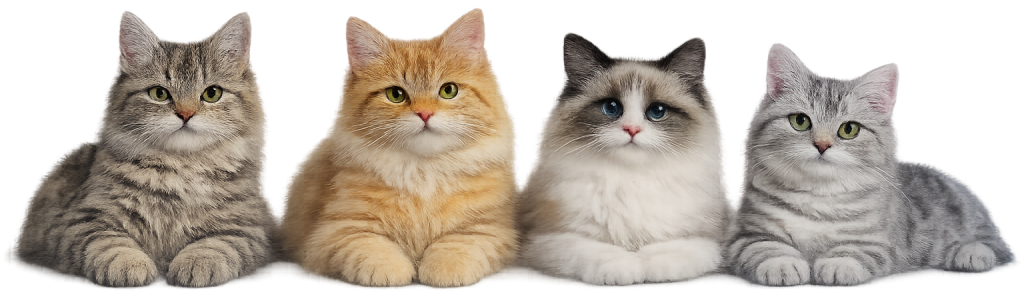
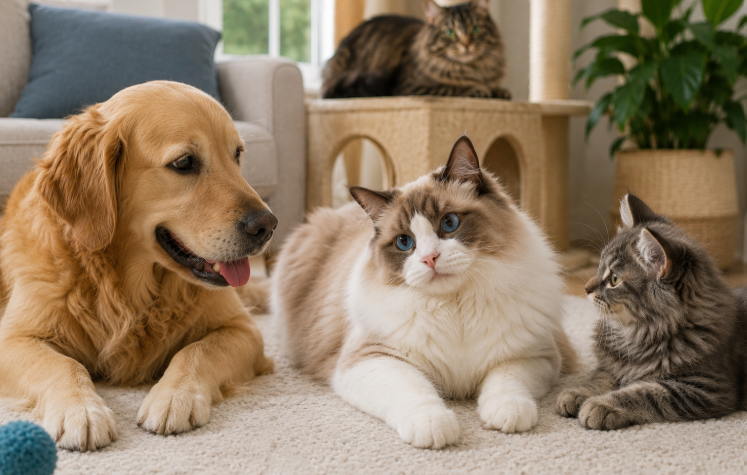
Bringing a Ragdoll into a home with existing animals can be exciting, but compatibility deserves careful thought. Fortunately, Ragdolls with other pets can often live peacefully when personalities match and introductions happen gradually. Ragdolls are commonly known for calm, social, and affectionate behavior. However, breed tendencies never guarantee that two animals will become friends. Age, previous experiences, health, confidence, territory, and individual temperament all influence the relationship. A gentle Ragdoll may enjoy sharing a home with another cat or a respectful dog. Still, even friendly animals need time to adjust. Successful multi-pet living begins with realistic expectations, separate resources, safe spaces, and introductions that move at the animals’ pace rather than the owner’s preferred schedule.
Many Ragdolls enjoy companionship, especially when they grow up around other animals. Some will sleep beside another cat, groom a trusted companion, or follow a friendly dog around the house. Others prefer peaceful coexistence without close physical contact. Both outcomes can be perfectly healthy.
Owners should avoid expecting instant friendship. Cats rely heavily on scent and familiarity when deciding whether another animal feels safe. Therefore, suddenly placing unfamiliar pets together can create unnecessary fear.
The first meeting can influence later interactions. A frightening chase or fight may create negative associations that take time to overcome. A controlled introduction reduces this risk and gives each animal opportunities to adjust.
Body language is especially important when managing Ragdolls with other pets. Relaxed postures, normal eating, curiosity, and comfortable resting suggest that an animal feels secure. In contrast, hiding, growling, hissing, staring, resource guarding, or repeated chasing can indicate stress.
Owners should also remember that tolerance is a successful result. Pets do not need to cuddle or play together to have a good relationship. Two animals that calmly share the same home while respecting each other’s space may be an excellent match.
Introducing a Ragdoll to Another Cat
Cats are territorial animals, so introducing a new feline requires patience. Even a friendly resident cat may react negatively when an unfamiliar cat suddenly appears in its home. Therefore, begin with physical separation.
Give the new Ragdoll a quiet room containing food, water, a litter box, scratching surfaces, toys, hiding places, and comfortable bedding. This becomes a secure starting area while the cat adjusts to unfamiliar sounds and smells.
The resident cat should continue following its normal routine. Maintaining familiar feeding, play, and rest schedules can reduce stress during the transition.
Scent introduction can begin before the cats meet directly. Exchange bedding or other safe items carrying each cat’s scent. This allows both animals to investigate the newcomer without the pressure of face-to-face contact.
When both cats remain calm around each other’s scent, controlled visual introductions can begin. A secure barrier may allow them to observe one another while preventing direct contact. Keep early sessions brief and positive.
Treats, meals, or enjoyable play at a comfortable distance can create positive associations. However, never force either cat closer. If one becomes tense, increase the distance and slow the process.
Introducing Ragdolls with other pets works best when owners respond to behavior rather than a fixed calendar. Some cats adjust quickly, while others need several weeks or longer. Rushing creates little benefit.
Hissing during an introduction does not always mean the relationship has failed. Cats use hissing as a warning and a request for distance. However, repeated aggression, intense stalking, or physical attacks indicate that the process needs adjustment.
As the cats become comfortable, supervised time together can gradually increase. Continue providing escape routes so neither animal feels trapped.
Resources are another major consideration. Cats may compete when food, water, litter boxes, or resting areas are limited. Therefore, provide multiple options in different parts of the home.
For litter boxes, many feline behavior guidelines recommend having one box per cat plus an additional box when possible. Placement matters too. Several boxes lined up in one location may function like a single resource if one cat can block access.
Food and water stations should also be positioned to prevent guarding. Some cats enjoy eating near each other, while others need greater separation.
Vertical territory can help enormously. Cat trees, shelves, window perches, and other secure elevated spaces allow cats to avoid each other without leaving a room entirely.
Watch for subtle signs of tension. One cat may silently block a hallway or stare at another near the litter box. Although no fight occurs, the targeted cat may become stressed.
Positive relationships often develop slowly. Eventually, you may notice the cats resting closer together, touching noses, playing, or grooming each other. These behaviors suggest growing comfort.
However, Ragdolls with other pets do not need to become inseparable companions. Peaceful sharing of space remains the primary goal.
Helping Ragdolls Live Safely With Dogs
Ragdolls can also live successfully with dogs, but the dog’s temperament deserves careful evaluation. A calm dog with experience around cats may adjust easily. In contrast, a dog with intense chasing behavior can create a serious safety risk.
Size alone does not determine compatibility. A large, calm dog may be safer around a cat than a small dog that constantly chases. Instead, focus on impulse control, prey drive, training, and previous behavior around cats.
Before direct introductions, give the Ragdoll a dog-free area. The cat needs food, water, litter facilities, hiding spaces, and elevated places where it can relax without being approached.
Scent swapping can again provide a useful first step. Allow both animals to become familiar with each other’s smell before arranging a visual meeting.
Early meetings should remain controlled. Keep the dog securely managed and allow the cat to choose its distance. Never hold the cat directly in front of the dog because this removes its ability to retreat.
The dog should receive rewards for calm behavior around the cat. Looking away, sitting quietly, or responding to cues can all be reinforced.
Successful Ragdolls with other pets depend heavily on giving the Ragdoll control over its movement. A cat that can retreat to a high perch often feels safer than one trapped on the floor.
Never encourage chasing, even if it initially appears playful. A frightened cat may run, which can trigger further pursuit. Repeated chasing can create chronic stress and may lead to injury.
The dog’s body language matters. A loose body and ability to disengage are encouraging signs. By contrast, intense staring, stiff posture, lunging, whining combined with fixation, or ignoring commands can signal a problem.
Likewise, watch the Ragdoll carefully. A relaxed cat may approach, sniff, or observe from a safe distance. Flattened ears, puffed fur, repeated hissing, hiding, or defensive swatting indicate discomfort.
Keep initial sessions short. Ending while both animals remain calm is usually better than continuing until one becomes overwhelmed.
Over time, increase supervised interaction gradually. Even when progress appears excellent, do not rush into leaving the animals unsupervised.
Some dogs and Ragdolls eventually sleep together or play gently. Others simply learn to ignore each other. Either relationship can work.
Feeding areas should usually remain separate. Dogs may steal cat food, while some cats may investigate dog meals. Separate feeding also reduces competition and allows owners to monitor appetite.
Litter boxes need protection as well. Some dogs investigate litter trays or consume cat waste. A setup that allows feline access while preventing dog access can solve the problem.
Ultimately, successful Ragdolls with other pets require management that respects the needs of every animal rather than expecting the Ragdoll’s gentle reputation to solve compatibility problems automatically.
Creating a Peaceful Multi-Pet Home
Good introductions are only the beginning. Long-term harmony depends on how the household manages resources, routines, attention, and personal space.
Every animal needs somewhere to rest without interruption. For a Ragdoll, that might include a cat tree, window perch, covered bed, or quiet room. Dogs and other cats should have their own comfortable areas as well.
Multiple resources reduce competition. Instead of placing every water bowl, bed, and scratching surface in one corner, distribute them throughout appropriate parts of the home.
Play also matters. A Ragdoll that receives regular interactive play may feel less bored and frustrated. Wand toys, lightweight balls, tunnels, puzzle feeders, and climbing opportunities can provide useful enrichment.
Separate play may be necessary when animals have different energy levels. A young dog may want intense activity, while an adult Ragdoll prefers short hunting games. Each animal should receive appropriate stimulation.
Maintaining routines can make Ragdolls with other pets more comfortable after household changes. Predictable meals, play sessions, and quiet periods help animals understand what happens next.
Attention from people should remain balanced. Owners sometimes focus heavily on a new pet and unintentionally disrupt the resident animal’s normal interaction. Continue spending individual time with existing pets.
Do not punish growling or hissing. These behaviors communicate discomfort. Punishment may suppress the warning without solving the underlying stress.
Instead, create more distance and identify the trigger. Perhaps another pet approached the food bowl, blocked a doorway, or interrupted sleep. Understanding the cause helps prevent repeated conflict.
Changes in appetite or litter box habits can also reveal stress. A cat that feels threatened may avoid eating or hesitate to use a box located near another animal’s territory.
Overgrooming, hiding, increased vocalization, and reduced play can provide additional clues. Persistent behavioral changes deserve attention, especially when they appear after introducing another pet.
Medical problems can also affect relationships. A cat experiencing pain may become less tolerant of interaction. Likewise, illness can change scent or behavior in ways other animals notice.
Veterinary care should therefore remain part of managing Ragdolls with other pets. If aggression or avoidance appears suddenly between animals that previously lived peacefully, medical evaluation may help identify a cause.
Professional behavioral guidance can also be useful when introductions stall. A qualified feline behavior professional or veterinary behaviorist can assess the environment and create a more specific plan.
Understanding Which Pets May Be a Good Match
Another calm cat can be a suitable companion for many Ragdolls. However, personality matters more than appearance or breed. A highly territorial cat may struggle with a newcomer regardless of breed.
Age matching can sometimes help, although it is not an absolute rule. Two playful young cats may enjoy similar activity levels. Meanwhile, a calm adult might overwhelm a senior cat less than an energetic kitten would.
Dogs can also become excellent companions when they behave calmly around cats. Previous positive experience with felines is helpful, but introductions should still happen gradually.
Small pets require much greater caution. Birds, hamsters, mice, gerbils, fish, and similar animals can trigger predatory interest in cats. A gentle household personality does not eliminate natural hunting instincts.
Therefore, managing Ragdolls with other pets should include secure housing for prey animals. Their enclosures must prevent physical access even when nobody is watching.
Never allow a cat direct access to a bird or small mammal simply because previous interactions seemed calm. Predatory behavior can occur suddenly and does not mean the cat is aggressive or badly behaved.
Reptiles and aquarium animals also require secure enclosures. Cats may become fascinated by movement inside tanks or habitats. Strong lids and stable stands help prevent accidents.
Rabbits present a more complex situation because size and temperament vary considerably. Some cats and rabbits can share a household under careful management. However, introductions require knowledge of both species and should prioritize safety.
Ultimately, the best companion depends on the individual Ragdoll. A confident cat that previously lived with dogs may adapt quickly to a cat-friendly canine. A shy Ragdoll may prefer a quiet home with minimal social pressure.
Before adding another animal, consider whether your current cat appears content. Getting a second pet should not be treated as an automatic solution for boredom or loneliness.
Another animal introduces new territory, smells, sounds, expenses, and social demands. Owners should genuinely want and have the resources to care for every pet independently.
If companionship develops, consider it a benefit rather than a guarantee.
Building Long-Term Harmony Between Pets
Relationships between animals can change over time. A kitten becomes an adult, a playful dog becomes a senior, and health conditions may alter tolerance or activity.
Therefore, continue monitoring Ragdolls with other pets even after introductions appear complete. Long-term success requires flexibility as each animal’s needs change.
Senior pets may need more quiet spaces. A young animal may require separate play sessions so it does not repeatedly bother an older companion.
Furniture arrangements can also make a difference. Provide more than one route through important rooms whenever possible. A cat may feel trapped if another pet can easily block the only doorway.
Vertical spaces are especially useful for Ragdolls living with dogs. A sturdy elevated platform lets the cat observe household activity while remaining outside the dog’s immediate reach.
Owners should intervene before repeated conflict becomes normal. Frequent chasing, blocking, guarding, or intimidation should not simply be accepted because no serious fight has occurred.
At the same time, occasional disagreement is not unusual. Animals living together may hiss, move away, or communicate boundaries. The broader pattern matters more than one brief interaction.
Signs of a successful relationship include normal eating, comfortable sleep, relaxed movement through shared areas, and the ability to disengage from one another.
Some animals may eventually share beds and groom each other. Others maintain personal distance for their entire lives. Both arrangements can support a peaceful household.
The most important lesson about Ragdolls with other pets is that compatibility develops through thoughtful introductions and good management. A Ragdoll’s generally gentle reputation can provide a promising starting point, but owners still need to protect boundaries and observe individual behavior.
Give every animal time, space, secure resources, and positive experiences. Avoid forcing interaction simply because you want the pets to become friends quickly.
With patience, many Ragdolls can share their homes successfully with cats and well-matched dogs. The goal should always be safety and comfort first. Friendship, when it develops naturally, is an added reward.
FAQ
1. Do Ragdolls Usually Get Along With Other Cats?
Many can live peacefully with other cats, especially after gradual introductions. Temperament, age, previous experiences, available resources, and the resident cat’s personality all affect compatibility.
2. Can a Ragdoll Live Safely With a Dog?
Yes, a calm and cat-friendly dog may become a suitable companion. Introductions should remain controlled, and the cat should always have escape routes and dog-free spaces.
3. How Long Does It Take for Two Pets to Accept Each Other?
There is no fixed timeline. Some animals become comfortable within days, while others need several weeks or longer. Progress should depend on relaxed behavior rather than a deadline.
4. Should I Get Another Cat to Keep My Ragdoll Company?
Not automatically. Some Ragdolls enjoy feline companionship, while others prefer being the only cat. Consider your cat’s temperament and whether you can care for another animal independently.
5. Can Ragdolls Live With Birds or Small Animals?
Extreme caution is necessary because cats retain natural hunting instincts. Secure enclosures and physical separation are essential when keeping Ragdolls with other pets that could be viewed as prey.