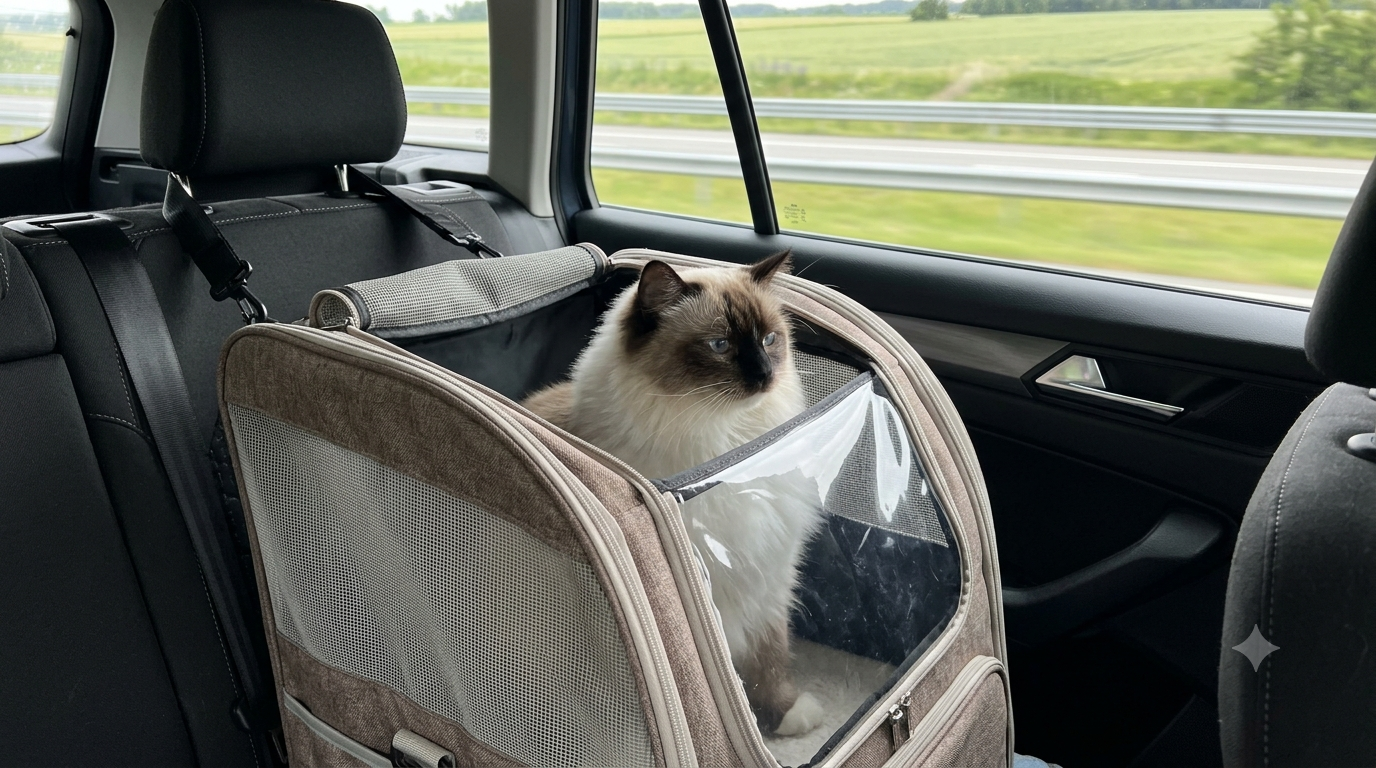
Anyone considering a Ragdoll while living a travel-heavy lifestyle should think carefully about Ragdoll Cats and Frequent Travelers compatibility. Because this breed is known for strong attachment to its owners, frequent or extended absences require more planning than they might with a more independent cat. That doesn’t necessarily rule out a Ragdoll for a frequent traveler, but it does mean the decision deserves realistic consideration.
Understanding how the breed’s social temperament interacts with a travel-heavy schedule helps you decide whether a Ragdoll fits your lifestyle, and if so, what kind of support system you’ll need to put in place.
Why Travel Schedules Matter More for Ragdolls
Ragdoll Cats and Frequent Travelers is a more important consideration for this breed than it might be for a more independent cat, largely because of temperament. Ragdolls are known for forming close bonds with their owners and often show more noticeable signs of missing company during extended absences compared to less social breeds.
This doesn’t mean frequent travelers can’t own a Ragdoll successfully, but it does mean the logistics of care during trips carry more weight in the decision than they might with a breed less prone to attachment-related stress.
Short Trips vs. Extended Absences
For occasional short trips of a day or two, most healthy adult Ragdolls can manage well with a consistent routine, automatic feeders, and a pet sitter checking in periodically. The bigger consideration comes with frequent or extended travel, where a cat may go days or weeks with limited social interaction if proper arrangements aren’t made.
Frequent short absences, if reasonably spaced with recovery time at home in between, are generally more manageable than back-to-back extended trips without adequate support in place.
Building a Reliable Support System
If you travel often, Ragdoll Cats and Frequent Travelers compatibility often comes down to the quality of your support system. A trusted pet sitter who can provide daily visits, including feeding, litter box maintenance, and social interaction, makes a significant difference for a social breed like this.
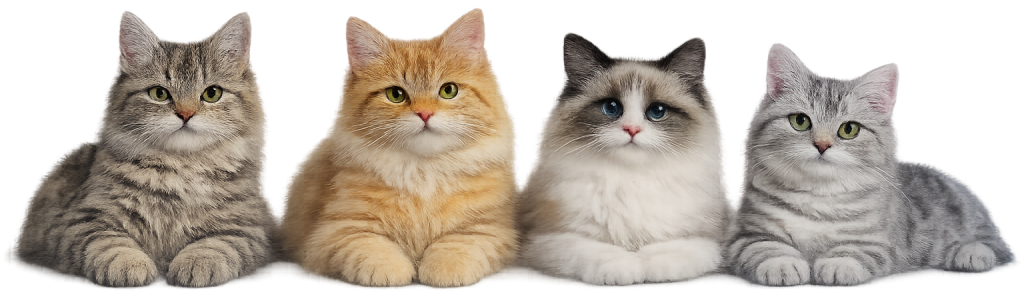
Some owners also consider a second cat as a companion for a Ragdoll left alone frequently, since a well-matched pair can provide company for each other during your absences. This isn’t a universal solution, since not every cat bonds closely with a companion, but it’s worth considering if your travel schedule is particularly demanding.
Boarding facilities that specialize in cats, particularly ones offering more socialization than a standard kennel environment, can also be a reasonable option for cats that don’t do well with in-home pet sitters.
Signs Your Ragdoll Is Struggling With Your Schedule
If your Ragdoll shows signs like excessive vocalization upon your return, changes in litter box habits, overgrooming, or appetite changes tied specifically to your travel schedule, these may indicate the current arrangement isn’t meeting their needs. In these cases, adjusting your support system, whether that means more frequent sitter visits, a companion animal, or reconsidering your travel frequency, may be necessary.
Making the Decision
If you travel frequently but still want a Ragdoll, being upfront about the commitment involved sets you up for success. This might mean investing in a reliable, experienced pet sitter, choosing a companion animal, or adjusting your travel patterns where possible to allow more consistent time at home.
For extremely frequent travelers without a strong support system in place, it’s worth honestly considering whether a more independent breed, or even a different type of pet altogether, might be a better match for your current lifestyle.
Conclusion
Ragdoll Cats and Frequent Travelers can be a workable combination, but it requires more planning than it would with a less socially dependent breed. Building a reliable support system, whether through a dedicated pet sitter, a companion animal, or specialized boarding, helps ensure your Ragdoll’s social needs are met even when your schedule keeps you away from home.
Being honest about your travel habits and your capacity to arrange consistent care is the most important step in deciding whether a Ragdoll is the right fit for your lifestyle.
FAQ
1. Can Ragdoll cats be left alone during short trips? Most healthy adult Ragdolls can manage short trips of a day or two with a reliable routine and pet sitter checking in.
2. Are Ragdolls a bad choice for frequent travelers? Not necessarily, but their social nature means frequent travelers need a strong support system in place to meet their companionship needs.
3. Does getting a second cat help if I travel a lot? It can help for some cats, though not every Ragdoll bonds closely with a companion, so it’s not a guaranteed solution.
4. What should I look for in a pet sitter for a Ragdoll? Someone who can provide daily visits with feeding, litter maintenance, and genuine social interaction tends to work best for this social breed.
5. How do I know if my Ragdoll isn’t handling my travel schedule well? Signs like excessive vocalization, litter box changes, overgrooming, or appetite changes tied to your absences may indicate the current arrangement needs adjustment.