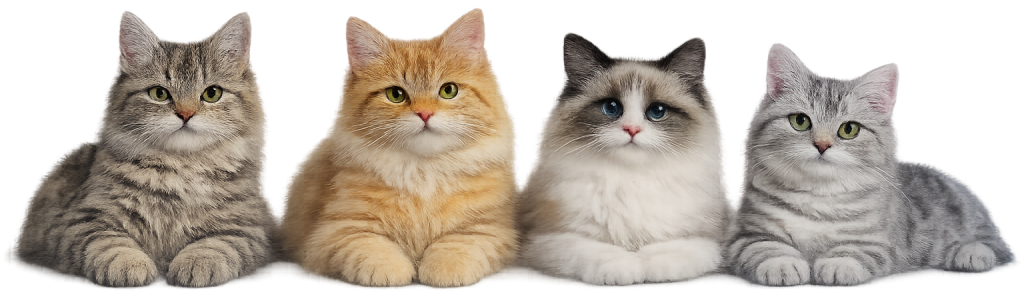
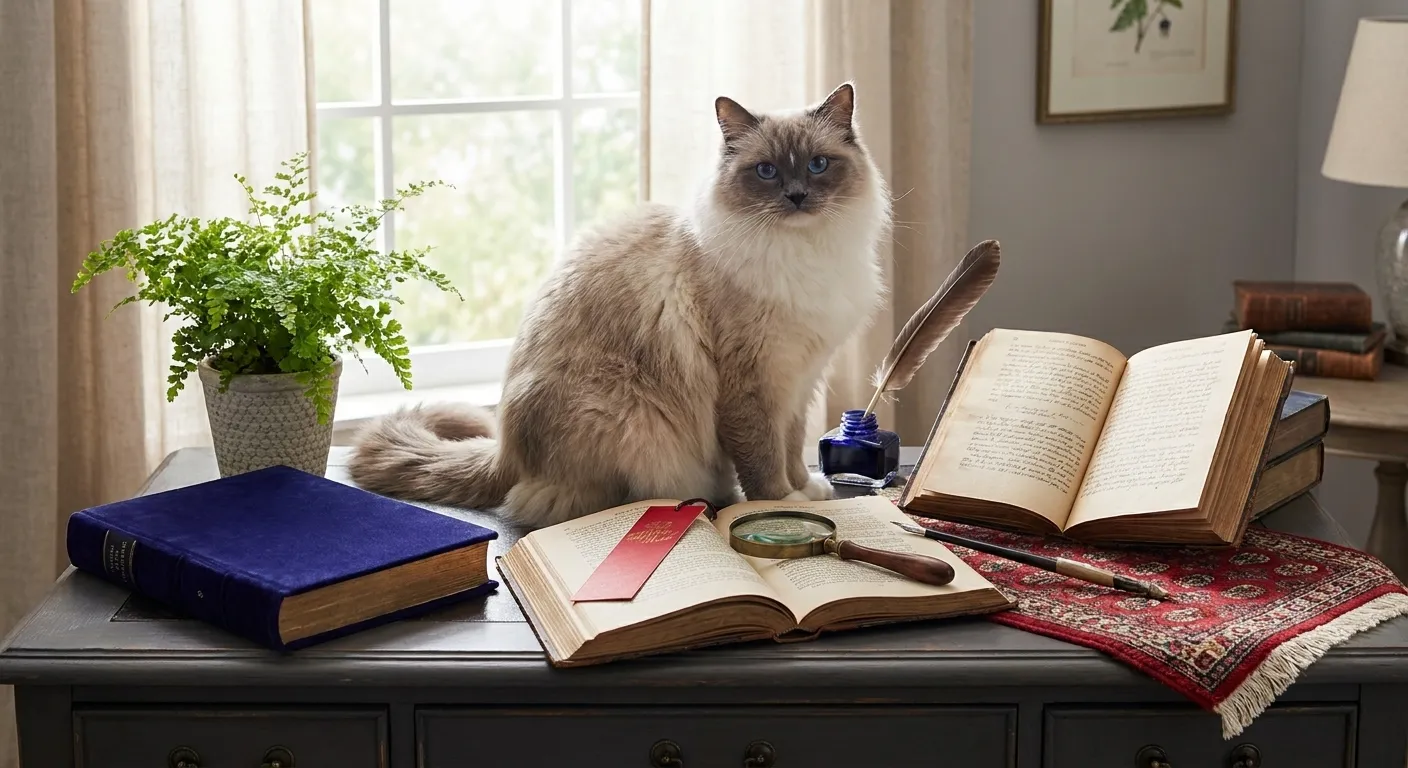
The Ragdoll cat, with its stunning blue eyes and luxurious coat, has a captivating history that began in California in the 1960s. Understanding Ragdoll breed history provides insight into their unique temperament and characteristics that make them such beloved companions today. The breed’s foundation traces back to a white longhaired cat named Josephine.
Ann Baker and the Foundation of the Ragdoll Breed
The story of the Ragdoll breed begins with Ann Baker, a Persian cat breeder in Riverside, California. Josephine, a domestic longhaired cat of unknown origin, was the matriarch of the breed. Josephine had several litters. Baker noticed that some of her kittens, after an accident that reportedly made Josephine more docile, displayed an unusually relaxed and affectionate temperament, often going limp when handled. Baker saw potential in these traits. Consequently, she began a selective breeding program to develop a new breed that consistently exhibited these docile characteristics, along with striking colorpoint patterns.
Baker carefully selected kittens from Josephine’s litters. These included male cats named Daddy Warbucks and Blackie, and female cats named Fugianna and Buckwheat. These cats became the direct ancestors of all modern Ragdolls. Baker trademarked the name ‘Ragdoll’ and established her own registry, the International Ragdoll Cat Association (IRCA), in 1971. She had very strict rules about breeding and sales. This led to some controversy and eventually, other breeders breaking away to establish their own Ragdoll lines and registries.
Evolution and Recognition of Ragdolls
Despite the early controversies, dedicated breeders like Laura and Denny Dayton, who acquired some of Baker’s original stock, were instrumental in developing the Ragdoll breed further and gaining wider recognition. They focused on standardizing the breed’s appearance and temperament. This ensured its gentle nature and distinctive features were preserved. Through their efforts and others, the Ragdoll gained recognition from major cat associations, including the Cat Fanciers’ Association (CFA) in 1993 and The International Cat Association (TICA) in 1979, solidifying its place as a beloved and respected breed worldwide. This advancement in the cat’s lineage truly cemented the Ragdoll breed history.
The Unique Temperament: A Legacy of Their Beginnings
One of the most defining characteristics of the Ragdoll is its docile and affectionate temperament. This trait is directly linked to the breed’s origins with Josephine. Ann Baker specifically selected for cats that exhibited a relaxed demeanor. This meant they would go limp when picked up, much like a ragdoll toy. Therefore, this gave the breed its distinctive name. This gentle nature makes them exceptional family pets and wonderful companions for children and other animals. For instance, their calm disposition often means they are friendly with everyone they meet.
Furthermore, their intelligence is often underestimated. Many Ragdoll owners report that their cats can be smart Ragdoll cats with surprising intelligence, capable of learning tricks and responding to commands. This combination of affection and smarts makes them truly special. The original breeding goals focused on these very traits, shaping the early Ragdoll breed history.
Physical Characteristics and Breed Standards
Beyond their temperament, Ragdolls are known for their striking physical attributes. They are large, semi-longhaired cats with captivating blue eyes. Their coats are typically colorpoint, meaning they have darker points on the ears, face, paws, and tail. However, their body remains lighter. Common patterns include colorpoint, mitted, and bicolor. The breed standard, developed by early breeders, ensures these characteristics are maintained across generations. This attention to detail is a crucial part of the ongoing Ragdoll breed history.
Moreover, Ragdolls are slow to mature, often not reaching their full size and coat density until three or four years of age. They possess a sturdy build, with a broad chest and strong legs. Grooming their luxurious, silky fur is relatively easy due to its lack of an undercoat, which reduces matting. This makes them relatively low-maintenance pets, an appealing trait for many potential owners.
Key Figures in the Ragdoll Breed’s Development
While Ann Baker initiated the breed, other individuals played pivotal roles in shaping its future. Laura and Denny Dayton are perhaps the most recognized for their efforts in moving the Ragdoll from Baker’s exclusive registry to mainstream recognition. They understood the importance of standardized breeding practices and worked tirelessly to promote the breed’s gentle nature and beauty. Their dedication was crucial in establishing the Ragdoll in the broader cat fancy community. Their work truly defined much of the recognized Ragdoll breed history.
Another significant figure was Blanche Herman, who also acquired Ragdolls from Ann Baker. She contributed to the early breeding programs and helped to diversify the genetic pool, albeit under Baker’s strict guidelines initially. These early breeders, despite their disagreements with Baker, were united by their love for the Ragdoll and their commitment to seeing the breed thrive. Their collective efforts ensured the survival and popularization of this unique feline.
The Ragdoll Beyond Ann Baker: Expansion and Popularity
As the breed gained recognition, its popularity soared. Breeders outside of Baker’s IRCA established their own lines, focusing on health, temperament, and adherence to emerging breed standards. This expansion was vital for the genetic diversity of the Ragdoll. It prevented the breed from becoming too inbred under Baker’s highly controlled system. The Cat Fanciers’ Association (CFA) and The International Cat Association (TICA) were instrumental in providing platforms for breeders to showcase their Ragdolls and for the public to learn about them. This wider acceptance helped solidify the Ragdoll breed history globally.
Today, Ragdolls are one of the most popular cat breeds in the world. Their affectionate nature, stunning appearance, and adaptability to various living situations contribute to their widespread appeal. Many owners find them to be ideal Ragdoll cats for apartment living due to their calm demeanor. Their journey from a small breeding program in California to a globally recognized and cherished breed is a testament to their enduring charm. The unfolding of the Ragdoll breed history is a truly remarkable story.
Health and Longevity: A Modern Perspective
Understanding the health aspects of the breed is also an important part of its story. While generally robust, Ragdolls, like all purebreds, can be predisposed to certain genetic conditions. Hypertrophic cardiomyopathy (HCM) and polycystic kidney disease (PKD) are two conditions that responsible breeders screen for. The emphasis on health in modern breeding programs ensures the longevity and well-being of these beloved cats. Ragdoll cat health problems are a serious concern for breeders and owners alike, demonstrating a commitment to the breed’s future.
Furthermore, a proper diet and regular veterinary care are essential for keeping Ragdolls healthy. Owners should also be aware of common feline health issues and provide a safe indoor environment. This proactive approach to care helps ensure that each Ragdoll lives a long and happy life, reflecting the careful stewardship of the breed over decades. The continued focus on health contributes positively to the ongoing Ragdoll breed history.
Cultural Impact and Enduring Appeal
The Ragdoll’s unique personality and striking looks have made them a favorite not only as pets but also in media and popular culture. They often feature in advertisements, books, and online content, further cementing their status as a beloved feline companion. Their calm and gentle demeanor makes them excellent therapy animals, bringing comfort and joy to many individuals. This widespread appeal is a significant chapter in the Ragdoll breed history.
Moreover, the Ragdoll community is vibrant and active, with numerous clubs, forums, and social media groups dedicated to the breed. Owners share stories, photos, and advice, fostering a strong sense of camaraderie. This community aspect reflects the strong bond people form with these cats. It also ensures that the legacy of Josephine and Ann Baker continues through new generations of Ragdoll enthusiasts. The enduring appeal of the Ragdoll is undeniable.
The Controversy and Legacy of Ann Baker
Ann Baker’s role in the Ragdoll breed history is complex and often debated. While she is credited with founding the breed, her strict control over breeding, her unique theories about Josephine’s temperament changes, and her trademarking practices led to significant friction with other breeders. She believed Josephine’s genetic makeup had been altered by the accident, a claim that lacks scientific basis. Despite these controversies, her vision for a docile, affectionate cat with a stunning appearance ultimately gave us the Ragdoll we know today. Her methods, though unconventional, undeniably shaped the breed’s initial trajectory.
Ultimately, the breakaways from IRCA by breeders like the Daytons were crucial for the breed’s survival and widespread acceptance. These individuals chose to work with established cat registries, allowing the Ragdoll to gain recognition and flourish beyond Baker’s direct influence. This separation was a turning point, ensuring that the breed’s future would be guided by collaborative efforts and standardized practices, rather than one individual’s exclusive control. The complexity of this early period is a fascinating aspect of the Ragdoll breed history.
Conclusion: A Legacy of Gentleness and Beauty
In conclusion, the Ragdoll breed history is a fascinating tale of a unique cat discovered by chance and carefully cultivated through selective breeding. From Josephine’s humble beginnings in California to its global recognition as one of the most cherished cat breeds, the Ragdoll has captivated hearts with its beauty and endearing personality. The dedication of early breeders, despite challenges and controversies, ensured the preservation of its distinctive temperament and appearance. As a result, the Ragdoll continues to be a beloved companion worldwide, a testament to its rich and compelling past. For anyone considering adopting one, understanding their origins provides valuable context for their gentle nature and unique charm. The journey of this remarkable feline is truly extraordinary. Ragdoll cats for beginners offer a wonderful experience.
Frequently Asked Questions About Ragdolls
What is the origin story of the Ragdoll cat?
The Ragdoll cat breed originated in Riverside, California, in the early 1960s. Its foundation cat was a domestic longhaired white cat named Josephine. Ann Baker, a Persian cat breeder, noticed some of Josephine’s kittens had a remarkably docile and relaxed temperament, which she then selectively bred for.
Who was Ann Baker and what was her role?
Ann Baker was the founder of the Ragdoll breed. She developed a breeding program based on Josephine’s kittens, selecting for their gentle nature and limp-like quality when handled. She trademarked the name ‘Ragdoll’ and established her own registry, the International Ragdoll Cat Association (IRCA).
How did the breed gain wider recognition?
After Ann Baker’s initial efforts, breeders like Laura and Denny Dayton were crucial in standardizing the breed and gaining recognition from major cat associations. They worked to preserve the Ragdoll’s gentle temperament and distinctive features, leading to its acceptance by organizations like TICA and CFA.
What are the key characteristics of these cats?
Ragdolls are known for their large size, semi-long, silky coats, and striking blue eyes. Most notably, they possess an exceptionally docile, affectionate, and relaxed temperament, often going limp when picked up. They are considered intelligent and make wonderful companions for families.
Are there any health concerns specific to the breed?
While generally healthy, Ragdolls can be predisposed to certain genetic conditions such as Hypertrophic Cardiomyopathy (HCM) and Polycystic Kidney Disease (PKD). Responsible breeders screen for these conditions to ensure the health and longevity of the breed. Regular veterinary check-ups and a healthy lifestyle are also important.
Related reading: