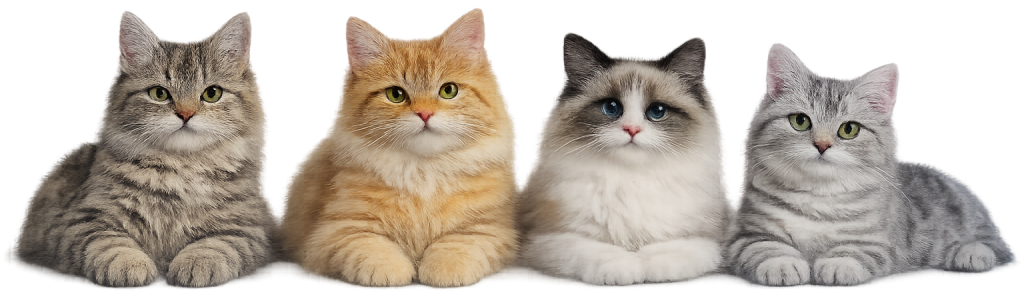
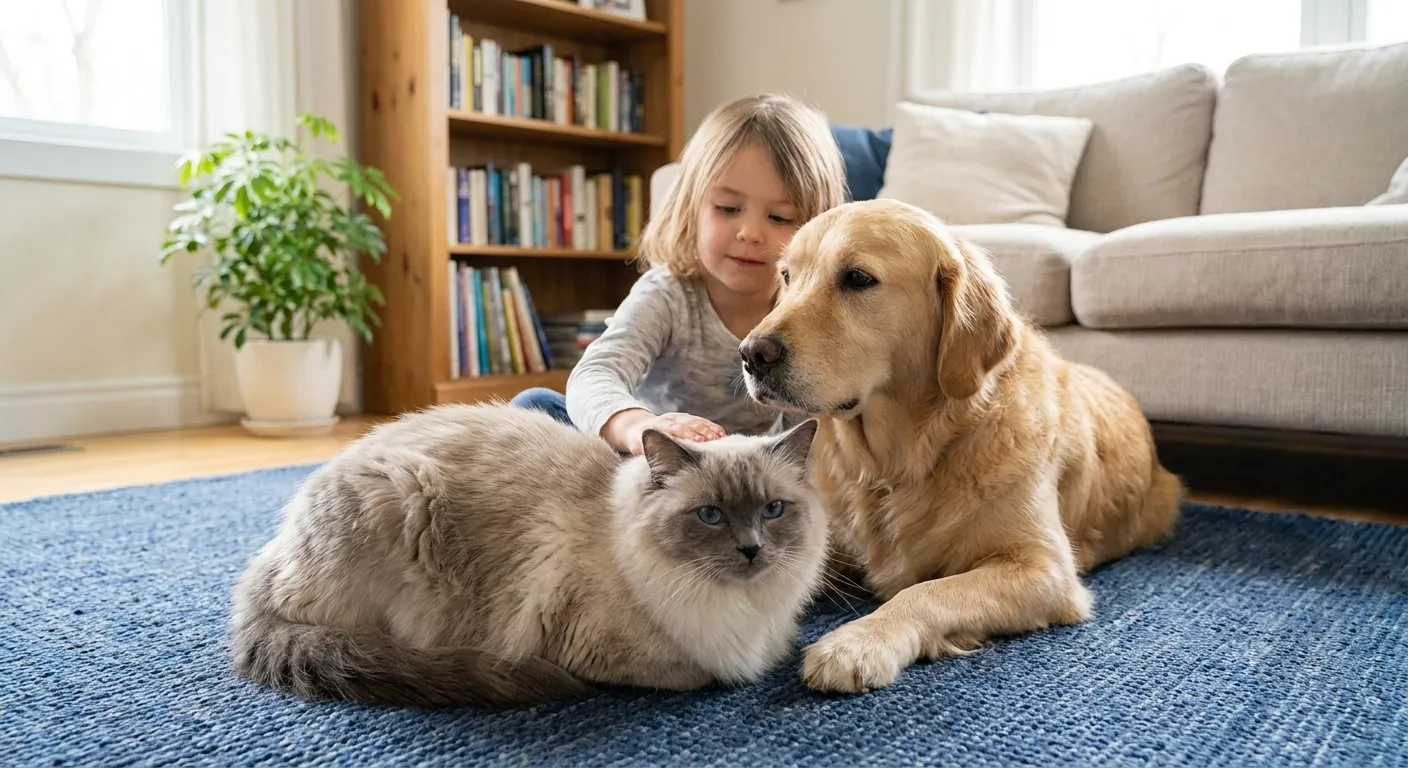
Ragdoll cats are renowned for their docile and gentle nature, making them excellent candidates for households with children and other pets. Their patient and tolerant temperament often allows them to integrate seamlessly into diverse family structures. Successfully introducing Ragdolls with other pets and kids requires careful planning and supervision to ensure a harmonious environment for everyone. This guide offers comprehensive advice for a smooth transition, ensuring peace and happiness for all family members.
Bringing a new feline friend into an existing family dynamic, especially one with children or other animals, can be a rewarding experience. However, it’s essential to understand the specific needs and behaviors of Ragdolls. These cats generally possess a calm demeanor, which is a significant advantage. Nonetheless, every individual cat has a unique personality. Therefore, observation and patience are always key when fostering a harmonious home.
Understanding the Ragdoll Temperament
Ragdolls are famous for their relaxed and affectionate disposition. They often go limp when picked up, hence their name. This breed is known for being less prone to aggression compared to some other cat breeds. Furthermore, they thrive on companionship and enjoy being part of family activities. Their easygoing nature makes them particularly well-suited for homes with a lot of hustle and bustle, including the playful energy of children and the presence of other animals. Nevertheless, it’s crucial to remember that even the most laid-back cat needs respect for its boundaries.
Many Ragdoll owners report that their cats display dog-like qualities, such as following them from room to room. They may also enjoy playing fetch. This playful and engaging personality can be a wonderful asset in a multi-pet or multi-child household. However, understanding their intelligence is also important. As discussed in our article, Smart Ragdoll Cats and Their Surprising Intelligence, they are quite clever. This means they can learn routines and respond well to positive reinforcement.
Preparing Your Home for a Ragdoll
Before bringing your new Ragdoll home, preparation is vital. First, create a designated safe space for your cat. This could be a quiet room with their food, water, litter box, and a comfortable bed. This sanctuary allows them to decompress and adjust without feeling overwhelmed. Moreover, ensure all necessary Ragdoll Cat Owner Supplies You Truly Need are in place. These include scratching posts, toys, and grooming tools. Adequate resources prevent potential conflicts with other pets over shared items.
Consider installing cat trees or shelves. These provide vertical space, which is incredibly important for cats. Vertical territory gives them an escape route and a vantage point. This is especially useful in homes with energetic children or dogs. Additionally, childproof your home as needed, securing any breakable items or toxic plants. This proactive approach ensures safety for both your new feline and your existing family members. Ultimately, a well-prepared environment sets the stage for success.
Tips for Introducing Ragdolls to Children
Introducing a Ragdoll to children requires a gentle and structured approach. The goal is to foster mutual respect and positive interactions from the start. Children, particularly younger ones, need guidance on how to behave around a cat. In fact, their natural curiosity can sometimes be overwhelming for a new pet.
Educate Your Children
Teach kids how to properly interact with a cat. Emphasize gentle petting, avoiding pulling tails or ears, and understanding a cat’s body language. Explain that Ragdolls are generally tolerant but still need their space. For instance, teach them to recognize signs that the cat wants to be left alone, such as a swishing tail or flattened ears. This education empowers children to be responsible pet owners.
Supervised Interactions
Always supervise initial interactions between your Ragdoll and children. This allows you to guide both parties and intervene if either becomes uncomfortable. Keep these sessions short and positive. Gradually increase the duration as both the cat and the children grow more comfortable. Consistency is key in building trust and positive associations.
Provide a Safe Retreat
Ensure your Ragdoll has a high-up perch or a quiet room where they can escape if they feel overwhelmed. This gives them a sense of security and control. A cat tree in a living area or a designated cat bed in a less trafficked room can serve this purpose effectively. This retreat is crucial for their well-being, especially during the initial adjustment period.
Positive Reinforcement
Encourage positive interactions with treats and praise for both the cat and the child when they are gentle and respectful. Reward calm behavior from the cat and gentle handling from the child. This reinforces good habits and creates happy memories for everyone involved. Positive experiences lay the foundation for a strong, loving bond.
Integrating Ragdolls with Other Pets
Integrating Ragdolls with other pets, whether another cat or a dog, demands patience and a phased introduction. Rushing this process can lead to stress and potentially negative long-term relationships. Remember, the goal is not just tolerance but genuine acceptance and, ideally, friendship.
Slow and Gradual Introductions
Whether it’s another cat or a dog, a slow introduction is vital. Start with scent swapping (e.g., exchanging blankets or toys) before allowing visual contact through a baby gate or carrier. This allows them to become familiar with each other’s scent in a non-threatening way. Over several days or even weeks, gradually increase exposure. This method is often recommended by animal behaviorists. For more specific guidance on feline introductions, resources like the ASPCA provide excellent detailed steps for introducing new cats to resident cats.
Separate Feeding Areas
Initially, feed pets in separate areas to prevent any food aggression or stress during meal times. Food is a high-value resource, and competition can quickly escalate. As they become more comfortable, you can slowly move their food bowls closer, but always maintain separate bowls. This approach minimizes tension and promotes a sense of security around food.
Monitor Body Language
Pay close attention to the body language of all pets. Look for signs of stress (hissing, growling, flattened ears, hiding) or aggression (swatting, lunging). Keep interactions short and positive. If any signs of stress appear, separate them immediately and try again later. Understanding cat behavior, as discussed in Aggressive Ragdoll Cat Behavior Explained Simply, can be very helpful here. Similarly, learn to recognize stress signals in dogs. When introducing Ragdolls with other pets, patience and keen observation are your best tools.
Provide Ample Resources
Ensure there are enough litter boxes, food bowls, water dishes, scratching posts, and toys for all pets to avoid competition and territorial disputes. A good rule of thumb for litter boxes is one per cat plus one extra. This helps prevent Ragdoll Cat Litter Box Issues Fast. Ample resources reduce stress and foster a sense of individual ownership, making the integration of Ragdolls with other pets much smoother.
Specific Considerations for Dogs and Ragdolls
Introducing a Ragdoll to a dog requires particular attention. While many Ragdolls are quite adaptable, some dogs may have a high prey drive. Therefore, always supervise interactions closely. Initially, keep the dog on a leash during supervised meetings. Reward calm behavior from both animals. Ensure the cat has elevated escape routes. A secure cat carrier can also be used during initial visual introductions.
It’s beneficial if the dog is well-trained and understands basic commands like
Related reading: