Ragdoll cats are renowned for their docile nature and striking blue eyes, but did you know they are also highly intelligent and trainable? Engaging in Ragdoll cat training not only provides mental stimulation for your furry friend but also strengthens your bond and can teach them useful behaviors. Unlike some breeds, Ragdolls often enjoy interaction and can be surprisingly eager to learn. Therefore, understanding their unique temperament is the first step towards a successful training journey. In fact, many owners find great joy in teaching their Ragdolls a variety of commands and tricks.
Essential Ragdoll Cat Training Techniques
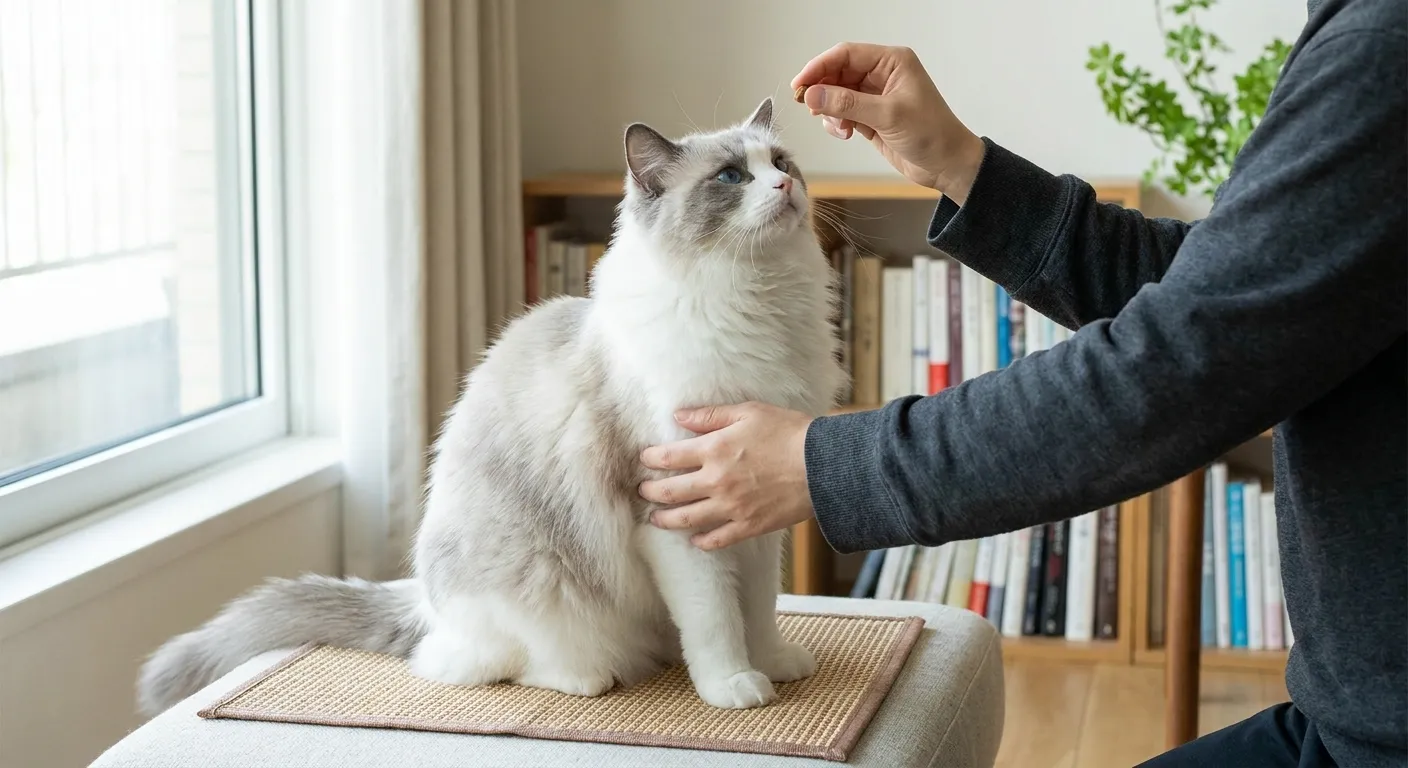
Start with positive reinforcement. Ragdolls respond best to reward-based training using treats, praise, or their favorite toys. Keep sessions short, typically 5-10 minutes, to maintain their attention and prevent boredom. Consistency is key; practice regularly. Begin with simple commands like ‘sit’ or ‘stay.’ Hold a treat near their nose, move it over their head to encourage sitting, and as soon as their rear touches the ground, say ‘sit’ and reward them. Repeat this process until they associate the word with the action. Moreover, always end on a positive note, even if the session wasn’t perfect. This approach ensures your cat remains enthusiastic about future learning opportunities. For instance, if they seem distracted, simply offer a final treat and try again later. This gentle method is crucial for easy trainable Ragdoll cats.
Understanding Your Ragdoll’s Learning Style
Ragdolls are generally calm and affectionate, which makes them receptive to learning. However, they can also be sensitive, so harsh corrections should always be avoided. Instead, focus on making training a fun and positive experience. They thrive on routine, therefore, establishing a regular training schedule can greatly enhance their progress. Furthermore, observing your cat’s body language will help you understand when they are engaged and when they need a break. Pay close attention to their ears, tail, and pupils. If they seem stressed or uninterested, it’s best to pause and resume later. Ultimately, patience is a virtue when teaching your feline companion. Remember that every cat learns at its own pace, so celebrate small victories.
Basic Obedience: Sit, Stay, and Come
Teaching your Ragdoll basic obedience commands lays the groundwork for more advanced training. The ‘sit’ command is often the easiest to start with. Once mastered, you can move on to ‘stay.’ For ‘stay,’ have your cat sit, then hold up your hand and say ‘stay.’ Take one small step back, and if they remain, return and reward them. Gradually increase the distance and duration. The ‘come’ command is vital for safety, especially if your cat accidentally gets out. Practice this by calling their name and ‘come’ while shaking a treat bag or holding a favorite toy. Reward them immediately when they approach. These foundational skills are important for any cat owner, especially those with Ragdoll cats for beginners.
Beyond Basic Commands: Leash Training Your Ragdoll
Leash training can open up a world of safe outdoor exploration for your Ragdoll. Start by introducing a comfortable harness indoors, allowing your cat to wear it for short periods while supervised, gradually increasing the duration. Once they are accustomed to the harness, attach a lightweight leash and let them drag it around the house. Never force them. The next step is to gently hold the leash and encourage them to walk with you using treats. Finally, introduce them to a quiet, safe outdoor space for very short periods, always ensuring they are comfortable and secure. This gradual approach helps build their confidence and acceptance of the leash. In fact, many Ragdolls enjoy exploring the outdoors safely on a leash, enriching their lives considerably. This type of Ragdoll cat training requires dedication.
Harness Selection and Acclimation
Choosing the right harness is crucial for your Ragdoll’s comfort and safety. Opt for a lightweight, escape-proof harness designed specifically for cats. Avoid dog harnesses, as they may not fit properly. Allow your cat to sniff and investigate the harness before trying to put it on. Initially, just place it near them during meal times. Then, try putting it on for a few seconds, immediately rewarding them. Gradually extend the time they wear it, always supervising to ensure they don’t get tangled or try to chew it off. This slow introduction is key to preventing stress and making the experience positive. Many Ragdoll cat owner supplies include excellent harness options.
Walking on a Leash: Step-by-Step
Once your Ragdoll is comfortable in their harness, attach a lightweight leash. Let them drag it around the house for a bit, always under supervision. Next, gently pick up the leash and follow your cat as they walk, without pulling or guiding them at first. Use treats and praise to encourage forward movement. Gradually, you can start to gently guide them, always making it a positive experience. When moving outdoors, choose a quiet, enclosed area like a backyard or a calm park during off-peak hours. Keep initial outdoor sessions very short, just a few minutes, and gradually increase the time as your cat becomes more confident. Remember, the goal is exploration, not a brisk walk. For further reading on cat behavior, you might find information from the ASPCA helpful.
Teaching Tricks and Mental Stimulation
Ragdolls, being intelligent cats, benefit greatly from learning tricks. Tricks provide excellent mental stimulation and can prevent boredom, which sometimes leads to unwanted behaviors. Consider teaching them to ‘high-five,’ ‘fetch,’ or even ‘jump through a hoop.’ Use clicker training for precision, pairing the click with a reward for the desired action. For example, to teach ‘high-five,’ hold a treat in a closed fist, present it to your cat, and when they paw at it, click and reward. Gradually introduce the command ‘high-five’ as they make the connection. This kind of Ragdoll cat training is incredibly rewarding.
Fun Tricks to Teach Your Ragdoll
- High-Five: As mentioned, this is a crowd-pleaser and relatively easy to teach.
- Fetch: Many Ragdolls naturally enjoy fetching. Throw a soft toy and reward them when they bring it back.
- Spin: Lure your cat in a circle with a treat, adding the verbal cue ‘spin’ as they turn.
- Jump Through a Hoop: Start with the hoop on the ground, lure them through, and gradually raise it.
These activities not only entertain but also reinforce your bond. Furthermore, they provide a constructive outlet for your cat’s energy and intelligence, contributing to their overall well-being. Consistent practice with positive reinforcement is crucial for success. In addition, varying the tricks keeps your cat engaged and prevents them from becoming bored with repetitive tasks. Ultimately, the goal is to have fun together.
Addressing Common Behavioral Issues Through Training
Training isn’t just about tricks; it’s also about shaping good habits and addressing unwanted behaviors. For instance, if your Ragdoll is scratching furniture, instead of punishing them, redirect their attention to appropriate scratching posts. Reward them heavily when they use the post. Similarly, if they’re jumping on counters, use a ‘no’ command and immediately redirect them to a designated perch or bed, then reward them. This positive redirection is much more effective than punishment. Effective Ragdoll cat training can resolve many common issues.
Litter Box Training and Solutions
While most Ragdolls are naturally clean and take to litter box training quickly, occasional issues can arise. If your cat is avoiding the litter box, first rule out any medical problems with a vet visit. If healthy, consider the type of litter, the box’s location, and its cleanliness. Cats prefer clean, unscented litter. Ensure the box is in a quiet, accessible location. If you have multiple cats, provide one litter box per cat plus one extra. Reward your cat for using the litter box correctly. For more specific guidance, refer to our article on fixing Ragdoll cat litter box issues fast.
Preventing Destructive Chewing and Scratching
Destructive chewing and scratching are often signs of boredom, anxiety, or a lack of appropriate outlets. Provide plenty of scratching posts of various textures (sisal, cardboard, carpet) and orientations (vertical, horizontal). Offer a variety of chew toys. Engage your Ragdoll in interactive play sessions daily to burn off energy. For chewing, redirect them to a chew toy when you catch them chewing something inappropriate. Bitter sprays can also be used on items you want them to avoid, but always combine this with providing appealing alternatives. Remember, prevention is better than cure, so proactive environmental enrichment is key. This careful approach is essential for successful Ragdoll cat training.
The Importance of Socialization in Ragdoll Cat Training
Socialization plays a significant role in a well-adjusted Ragdoll. Exposing your kitten to various sights, sounds, people, and other friendly pets from a young age helps them grow into confident and adaptable adults. Positive early experiences prevent fear-based aggression or shyness later in life. Continue gentle socialization throughout your cat’s life. For example, introduce new people calmly, allowing your cat to approach on their own terms. Positive interactions with new stimuli build resilience and confidence. This aspect of are Ragdoll cats friendly is often overlooked.
Introducing Your Ragdoll to New People and Pets
When introducing your Ragdoll to new people, ensure they have a safe retreat if they feel overwhelmed. Encourage visitors to offer treats and speak softly. For other pets, especially dogs, use a gradual, supervised introduction. Start with scent swapping, then visual contact through a baby gate, and finally, supervised interactions in the same room. Always prioritize the safety and comfort of both animals. Never force interactions. A well-socialized Ragdoll is generally more relaxed and less prone to stress-related behavioral issues, making all forms of feline instruction easier. For more information on cat introductions, sources like the Cat Behavior Associates offer valuable insights.
Advanced Ragdoll Cat Training and Enrichment
Once your Ragdoll has mastered the basics, you can explore more advanced training and enrichment activities. Puzzle feeders, for example, challenge their minds and slow down eating. Agility courses, even simple ones set up at home, can be a fantastic way to engage their bodies and minds. Teaching complex trick sequences or even scent work can provide a high level of mental stimulation. The possibilities are vast, limited only by your imagination and your cat’s interest. Continuous learning keeps your Ragdoll happy and healthy, strengthening the bond you share. This ongoing engagement is a hallmark of successful Ragdoll cat training.
Puzzle Feeders and Interactive Toys
Puzzle feeders are an excellent way to provide mental enrichment and prevent your Ragdoll from eating too quickly. They require your cat to
Related reading: