As devoted Ragdoll cat owners, we cherish their docile nature and luxurious floof. However, their laid-back temperament, combined with their love for food, can unfortunately make them prone to weight gain. Learning how to prevent Ragdoll cat obesity is crucial for their long-term health and happiness. With pet wellness now a central focus in the $158 billion U.S. pet industry, proactive health management, especially for breed-specific challenges, is more important than ever. This guide from Ragdoll Cat Guide will help you keep your beloved companion at a healthy weight.
Understanding Ragdoll Cat Obesity: A Growing Concern
Obesity in Ragdolls is not merely a cosmetic issue; it’s a serious health concern. According to a 2025 RVC VetCompass research study, obesity has a 6.91% prevalence among Ragdolls, making it one of the most diagnosed issues. This excess weight can lead to a cascade of health problems, including increased risk of Hypertrophic Cardiomyopathy (HCM), arthritis, diabetes, liver disease, and even certain types of cancer. When pets are increasingly viewed as family members, with an average annual household spending on pets projected to reach $1,445 by 2026, ensuring their health is a top priority for pet parents. For more details on common health issues, consider our guide on Ragdoll Cat Health Problems Every Owner Should Know.
Why are Ragdolls Prone to Weight Gain?
Several factors contribute to a Ragdoll’s predisposition to obesity:
- Sedentary Lifestyle: Their famously relaxed demeanor means they’re often less active than other breeds.
- Overfeeding: Many owners, out of love, offer too much food or too many treats.
- Genetic Predisposition: Some Ragdoll lines may have a higher metabolic efficiency.
- Lack of Mental Stimulation: Boredom can sometimes lead to comfort eating.
Practical Steps to Prevent Ragdoll Cat Obesity
Preventing a Ragdoll from becoming overweight requires a consistent approach involving diet, exercise, and regular veterinary oversight. Here’s how you can make a difference:
1. Optimal Nutrition and Portion Control
The cornerstone of weight management is a balanced diet. Consult your veterinarian to determine the ideal caloric intake for your Ragdoll based on their age, activity level, and current weight. High-quality cat food, rich in protein and low in unnecessary fillers, is essential. Avoid free-feeding; instead, measure out daily portions and divide them into 2-3 smaller meals throughout the day. Consider using puzzle feeders to slow down eating and provide mental enrichment. Remember, with 76% of pet parents seeking products that improve their pets’ health, investing in premium, species-appropriate nutrition is a smart choice.
2. Encourage Regular Exercise and Play
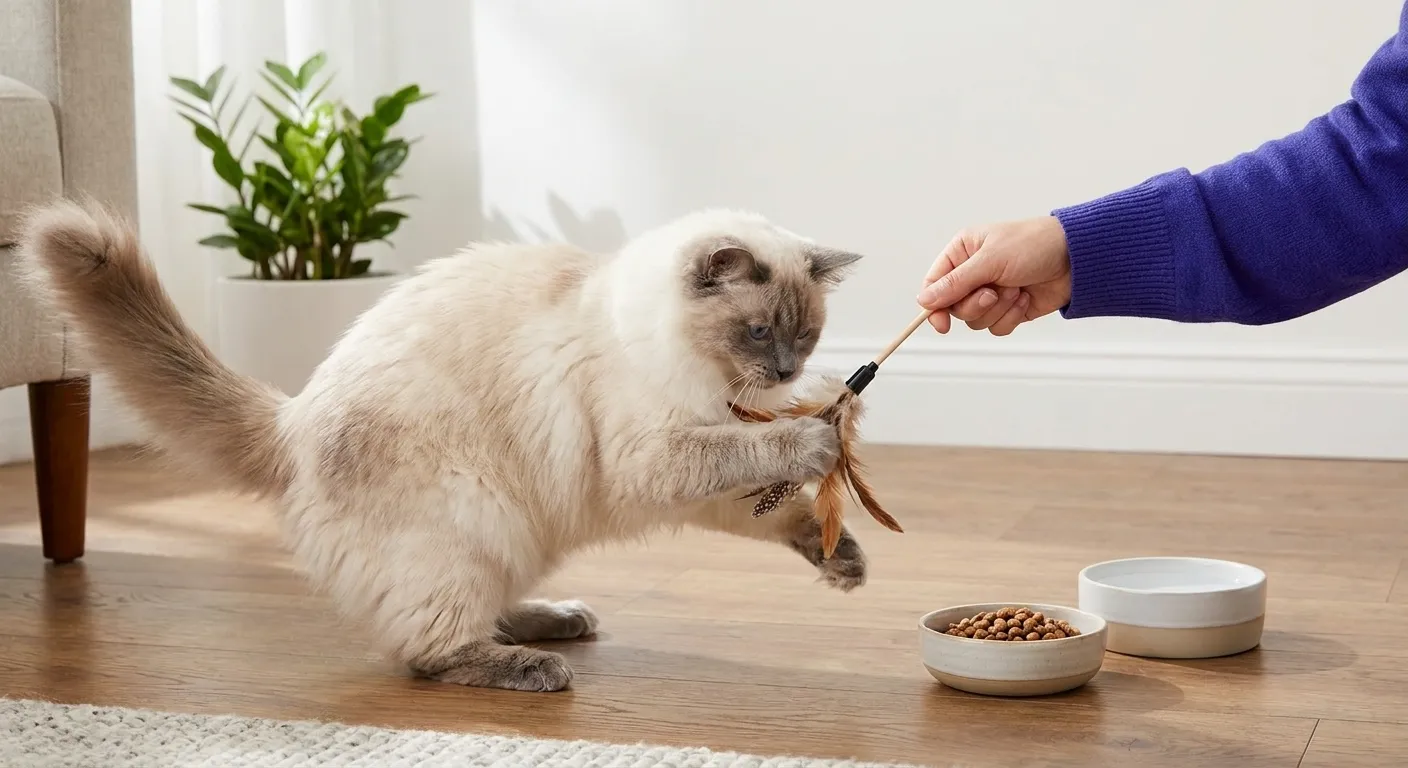
Even with their laid-back nature, Ragdolls need daily physical activity. Aim for at least 15-30 minutes of interactive play each day. Use toys that mimic prey, such as feather wands, laser pointers (used responsibly), or crinkle balls, to engage their hunting instincts. Cat trees and climbing structures also encourage movement and exploration. Regular play not only burns calories but also provides crucial mental stimulation, which can help in your efforts to prevent Ragdoll cat obesity. For ideas on engaging your feline friend, explore our article on Ragdoll Cat Owner Supplies You Truly Need.
3. Regular Veterinary Check-ups
Routine veterinary visits are vital for monitoring your Ragdoll’s weight and overall health. Your vet can accurately assess your cat’s Body Condition Score (BCS) and recommend adjustments to their diet or exercise regimen if necessary. Early detection of weight gain allows for timely intervention, making it easier to manage and prevent serious health complications. These check-ups are also an opportunity to discuss any concerns about your Ragdoll’s appetite or activity levels.
4. Smart Treat Strategies
Treats can be a wonderful way to bond with your Ragdoll, but they must be given in moderation. Opt for low-calorie, healthy treats specifically designed for cats. Alternatively, small pieces of cooked chicken or fish can be excellent, nutritious rewards. Always factor treats into your Ragdoll’s daily caloric intake to avoid accidental overfeeding. Furthermore, avoid giving human food, especially items high in fat, sugar, or salt, as these can contribute significantly to weight gain and digestive upset.
5. Environmental Enrichment for Active Living
A stimulating environment can encourage your Ragdoll to be more active. Provide cat trees, scratching posts, and window perches. Rotate toys regularly to keep them interesting. Consider introducing a catio (a safe outdoor enclosure) if feasible, allowing them to experience fresh air and new sights in a secure way. This added environmental enrichment combats boredom, which, as mentioned, can sometimes lead to comfort eating and hinder efforts to prevent Ragdoll cat obesity.
Understanding Your Ragdoll’s Ideal Weight
While an average adult Ragdoll might weigh between 10-20 pounds, the ideal weight varies based on individual factors like sex, build, and age. A veterinarian will use a Body Condition Score (BCS) chart, typically on a scale of 1 to 9, to assess your cat’s weight. An ideal BCS is usually around 5, indicating that ribs are palpable without excess fat, there’s a visible waist, and a slight abdominal tuck. Learning to recognize these physical cues on your own cat is a powerful tool in preventing feline weight gain.
For example, if you cannot easily feel your Ragdoll’s ribs, or if their waistline is absent, these are clear indicators that weight management strategies need to be implemented. Conversely, a cat that is too thin (BCS of 1-3) also requires veterinary attention. Regular, gentle palpation of your cat’s sides can become a quick, at-home check-up. This proactive monitoring helps you maintain your Ragdoll’s optimum health.
The Role of Mental Stimulation in Weight Control
Mental stimulation is just as important as physical activity for Ragdolls. These intelligent felines thrive on engagement. Boredom can lead to lethargy and overeating, similar to how humans might snack when bored. Interactive toys, puzzle feeders, and even training sessions can keep their minds active. Ragdolls are known for their intelligence, so leveraging this trait through games can be highly effective. You might be surprised by how much they enjoy learning tricks; check out our guide on Train Your Ragdoll Cat the Easy Way for tips.
Furthermore, consistent interaction with their owners helps satisfy their social needs, reducing the likelihood of them seeking comfort in food. A well-stimulated Ragdoll is generally a happier and healthier Ragdoll, less inclined to develop unhealthy eating habits. This holistic approach significantly contributes to your overall goal to prevent Ragdoll cat obesity.
Recognizing and Addressing Early Signs of Weight Gain
Being attentive to the subtle signs of weight gain can make a substantial difference. Beyond simply weighing your cat, observe changes in their behavior. Are they moving less freely? Are they struggling to jump onto favorite spots? Do they seem less interested in play? These can all be early indicators. A good habit is to gently feel your cat’s rib cage every few weeks. If you find it difficult to feel their ribs without pressing firmly, it’s time to consult your veterinarian.
Early intervention is far more effective than trying to manage advanced obesity. Implementing small changes in diet and increasing activity levels when signs first appear can often reverse the trend without drastic measures. For instance, adjusting portion sizes by just a few kibbles a day can prevent significant weight gain over time. This proactive stance is key to successfully prevent Ragdoll cat obesity.
Long-Term Commitment to a Healthy Lifestyle
Preventing your Ragdoll from becoming overweight is a lifelong commitment. It involves establishing healthy routines early on and adhering to them consistently. This means regular feeding times, consistent play sessions, and routine veterinary check-ups. Moreover, it requires resisting the urge to overfeed or offer excessive treats, no matter how much your sweet Ragdoll begs. Their health and longevity depend on your responsible care.
It is important to remember that every cat is an individual. What works for one Ragdoll might need slight adjustments for another. Therefore, flexibility and ongoing communication with your veterinarian are paramount. By staying informed and committed, you can ensure your beloved Ragdoll enjoys a long, healthy, and active life. This dedication is crucial to prevent Ragdoll cat obesity effectively.
Conclusion
Keeping your Ragdoll cat at a healthy weight is a significant aspect of responsible pet ownership. By understanding their unique predispositions, implementing proper nutrition and portion control, encouraging regular exercise, providing mental stimulation, and maintaining consistent veterinary care, you can effectively prevent Ragdoll cat obesity. Your commitment to these strategies will not only enhance their quality of life but also extend their time as a cherished member of your family. Remember, a lean Ragdoll is a happy, healthy Ragdoll.
FAQ
What is the ideal weight for a Ragdoll cat?
The ideal weight for a Ragdoll cat typically ranges from 10 to 20 pounds, but it largely depends on their individual build, age, and sex. Your veterinarian can provide the most accurate assessment using a Body Condition Score (BCS).
How much should I feed my Ragdoll to avoid weight gain?
The amount of food depends on your Ragdoll’s age, activity level, and specific food’s caloric density. Always follow your vet’s recommendations and the feeding guidelines on your chosen cat food, measuring portions precisely.
What kind of exercise is best for a laid-back Ragdoll?
Interactive play with feather wands, laser pointers, and crinkle balls for 15-30 minutes daily is highly effective. Cat trees and puzzle feeders also encourage activity. The goal is consistent, engaging movement to manage your Ragdoll’s weight.
Are there specific treats I should give to a Ragdoll prone to being overweight?
Opt for low-calorie, cat-specific treats or small pieces of cooked lean meat like chicken or fish. Always factor treats into their daily caloric intake and avoid human foods high in fat or sugar to maintain a healthy weight.
How often should my Ragdoll see the vet for weight management?
Regular annual or bi-annual veterinary check-ups are essential for monitoring your Ragdoll’s weight and overall health. If you notice signs of weight gain, schedule an earlier appointment for prompt guidance on managing their weight.
Related reading: