Becoming a new Ragdoll cat owner is an exciting journey, and setting up your feline friend for a lifetime of health and happiness starts now. Known for their striking blue eyes and famously docile, ‘floppy’ temperament, Ragdolls bring immense joy and a unique companionship to any home. The pet care industry is valued at an astonishing $273.42 billion USD in 2025, and average household spending on pets is projected to reach $1,445 per pet by 2026. This clearly indicates that pet parents are more dedicated than ever to their companions’ well-being. This guide will walk you through the foundational steps to ensure your new Ragdoll thrives.
Creating a Welcoming and Safe Ragdoll Home
Your Ragdoll’s environment plays a crucial role in their adjustment and long-term happiness. These gentle giants crave interaction and comfort. Initially, start by creating a safe space for them, perhaps a quiet room, with their litter box, food, water, and a cozy bed. Furthermore, ensure all potential hazards – such as toxic plants, loose wires, and small ingestible items – are out of reach. As pets are increasingly viewed as family members, with 76% of pet parents seeking products to improve their pets’ health, investing in a secure and stimulating environment directly reflects this humanization trend.
Consider multi-level cat trees and scratching posts to satisfy their natural instincts. Ragdolls, despite their laid-back nature, benefit from vertical spaces for exploration and security. Interactive toys are also essential to keep their minds engaged and prevent boredom, which can lead to behavioral issues. For more specific product recommendations, you might find our guide on Ragdoll Cat Owner Supplies You Truly Need helpful.
Essential Nutrition for Your Growing Ragdoll
Proper nutrition is the cornerstone of good health. For a new Ragdoll cat owner, selecting the right food is critical. Opt for high-quality cat food that lists meat as the first ingredient. Whether you choose wet, dry, or a combination, ensure it’s appropriate for their life stage (kitten, adult, senior) and free from excessive fillers and artificial additives. Portion control is also vital, especially given Ragdolls’ predisposition to obesity, which affects 6.91% of the breed according to a 2025 RVC VetCompass study. Consult your veterinarian for specific dietary recommendations tailored to your cat’s age, weight, and activity level.
Fresh water should always be available. Many cats prefer running water; therefore, consider a pet water fountain. This can encourage hydration and support urinary tract health. Proper hydration is particularly important for preventing common feline health issues.
Basic Grooming: Starting Early for a Lifetime of Comfort
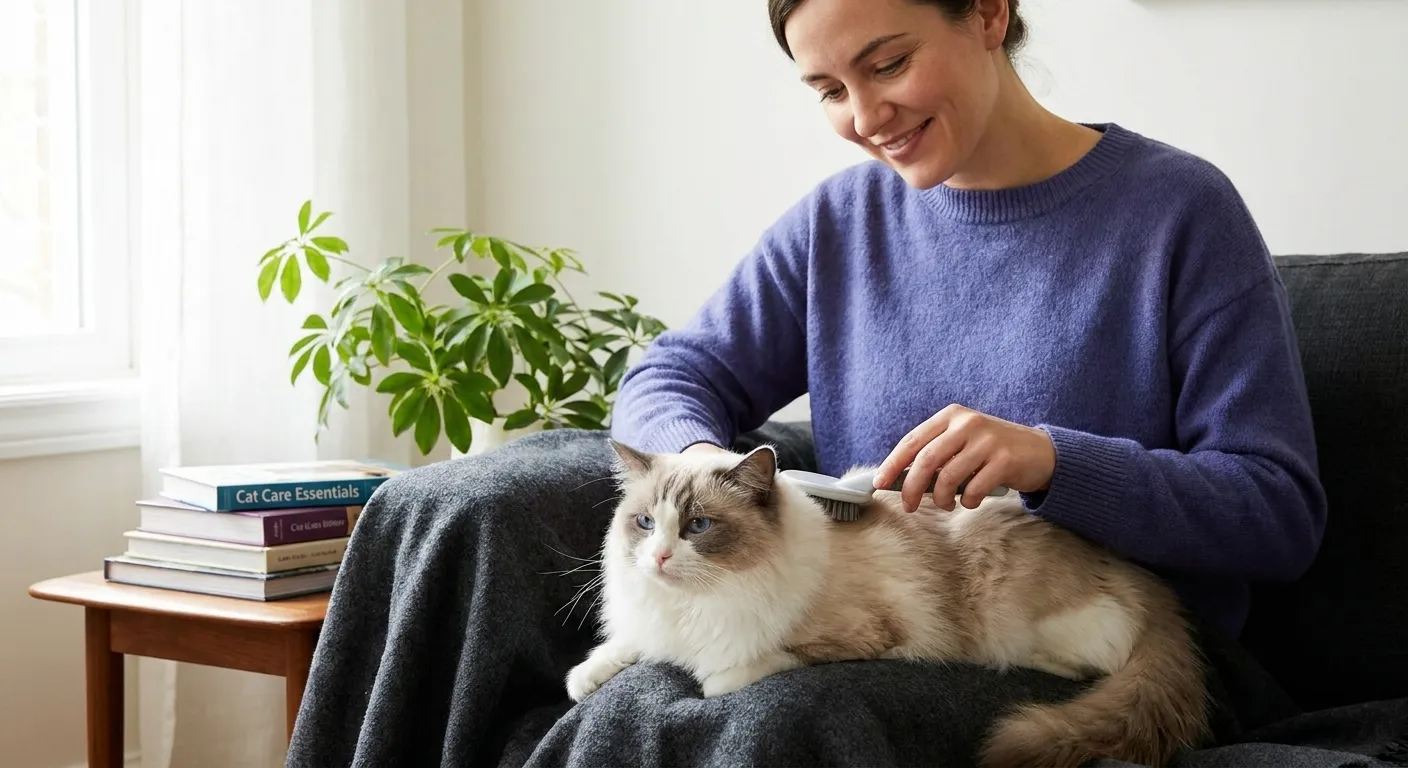
Ragdolls are known for their beautiful, semi-longhaired coats. While less prone to matting than some other long-haired breeds, regular grooming is still essential. Starting grooming routines early as a kitten helps establish it as a positive bonding activity. Introduce a soft slicker brush or a wide-tooth comb gently, making it a pleasant experience with treats and praise. Aim for 2-3 brushing sessions per week to keep their coat healthy and minimize shedding. Additionally, regular brushing helps prevent hairballs.
Beyond brushing, pay attention to nail trims. Most cats benefit from having their claws trimmed every few weeks. Furthermore, dental hygiene is crucial. Introduce tooth brushing early with a feline-specific toothpaste and brush. This proactive approach can prevent painful dental diseases later in life. If you’re unsure about any grooming aspect, your vet or a professional groomer can offer guidance.
Understanding Ragdoll Temperament and Socialization
Ragdolls are famous for their gentle, affectionate, and docile nature. They typically enjoy human companionship and often follow their owners from room to room. Consequently, they thrive on interaction and can become lonely if left alone for extended periods. Early socialization is key for any feline companion, and particularly beneficial for a new pet parent with this breed. Expose your kitten to various sights, sounds, and gentle handling experiences. This helps them grow into well-adjusted, confident adults.
These cats are often described as ‘dog-like’ due to their tendency to greet owners at the door and enjoy games of fetch. In fact, their intelligence allows them to learn tricks and respond to their names. For tips on how to interact with your intelligent feline, explore our article on Smart Ragdoll Cats and Their Surprising Intelligence. Understanding their unique personality will greatly enhance your bond.
Health and Veterinary Care for Your New Ragdoll Kitten
Establishing a relationship with a trusted veterinarian is paramount for any new Ragdoll cat owner. Schedule an initial check-up soon after bringing your Ragdoll home. This allows the vet to assess their overall health, discuss vaccination schedules, deworming, and parasite prevention. Regular veterinary visits are crucial for early detection and prevention of potential health issues. For example, Ragdolls are predisposed to certain genetic conditions, such as Hypertrophic Cardiomyopathy (HCM) and Polycystic Kidney Disease (PKD). Therefore, early screening and awareness are vital.
Discuss spaying or neutering with your vet, usually recommended around 5-6 months of age. This procedure offers numerous health and behavioral benefits. Moreover, maintaining a healthy weight and providing a balanced diet, as previously mentioned, significantly contributes to their long-term well-being. Staying informed about potential health concerns is an important part of being a responsible owner. Our resource on Ragdoll Cat Health Problems Every Owner Should Know provides further insights.
Training Your Ragdoll: Patience and Positive Reinforcement
Despite their relaxed demeanor, Ragdolls are quite trainable. As a new Ragdoll owner, focus on positive reinforcement methods. These cats respond well to praise, treats, and gentle encouragement. Litter box training is usually straightforward, as Ragdolls are naturally clean animals. Ensure their litter box is always clean and easily accessible. If you encounter any issues, our guide on Fix Ragdoll Cat Litter Box Issues Fast can provide solutions. Beyond the basics, you can teach your Ragdoll to come when called, walk on a leash, or perform simple tricks. Short, consistent training sessions work best.
Understanding feline body language is also an important part of effective communication. Pay attention to their tail position, ear movements, and vocalizations. This helps you respond appropriately to their needs and build a stronger bond. For more in-depth training advice, consider our tips on Train Your Ragdoll Cat the Easy Way.
Playtime and Enrichment for Your Beloved Companion
Ragdolls, while calm, still require regular playtime to stay physically and mentally stimulated. Interactive play sessions help burn energy, prevent boredom, and strengthen the bond between you and your feline. Use wand toys, laser pointers (with caution to ensure they ‘catch’ the light at the end), and puzzle feeders. These activities mimic hunting behaviors and provide mental challenges. Aim for at least two 15-20 minute play sessions daily.
Environmental enrichment is also crucial. Provide scratching posts of various materials and orientations, climbing structures, and safe spaces for them to observe their surroundings. A window perch can offer hours of entertainment. Rotating toys can also keep things interesting, preventing your Ragdoll from becoming bored with the same items. A stimulating environment is key to a happy and healthy life for your feline companion.
Understanding Ragdoll Cat Behavior
Ragdolls are typically very good-natured, but understanding their behavior helps address any potential issues. They are generally not aggressive, preferring to retreat rather than confront. However, any sudden changes in behavior, such as increased hiding, changes in appetite, or unusual vocalizations, warrant a vet visit. These can be signs of underlying health problems. It’s important to remember that every cat is an individual, and some may be more outgoing or reserved than others.
They are known for their ‘floppy’ nature, often going limp when picked up. This characteristic, combined with their striking appearance, makes them highly sought after. If you are a new Ragdoll cat owner, you will quickly learn to appreciate their unique personality. They thrive in calm environments and are generally well-suited for Ragdoll Cats Apartments Owners Love for Quiet Living. Patience and consistent, gentle interaction will help your Ragdoll settle in and flourish.
Addressing Common Concerns for the New Ragdoll Cat Owner
Bringing a new pet home often comes with questions. One common concern for a new Ragdoll cat owner is managing shedding. While Ragdolls have a semi-long coat, regular brushing significantly reduces shedding. Another concern might be their vocalizations; Ragdolls are generally quiet but will ‘talk’ to you with soft trills and chirps when they want attention or food. Furthermore, their gentle nature means they usually get along well with children and other pets, provided proper introductions are made. Patience and positive reinforcement are your best tools for navigating any behavioral or adjustment period. Remember, consistency is key when establishing routines.
Building a Lasting Bond with Your Ragdoll
The most rewarding aspect of being a new Ragdoll cat owner is the deep bond you will form. These cats are incredibly affectionate and thrive on human interaction. Spend quality time with your Ragdoll through petting, cuddling, and playing. Talk to them regularly; they often seem to understand and respond to your voice. Establishing daily routines for feeding, playtime, and grooming will provide a sense of security and strengthen your connection. Furthermore, simply being present and available for them to interact with at their leisure will foster trust and affection. Your Ragdoll will quickly become a cherished member of your family, offering years of loyal companionship and endless purrs.
Conclusion: Embracing Your Journey as a Ragdoll Parent
Becoming a new Ragdoll cat owner is an incredibly fulfilling experience. By providing a safe and stimulating environment, proper nutrition, consistent grooming, and attentive veterinary care, you are laying the foundation for a long, happy, and healthy life for your feline companion. Remember, patience, understanding, and positive reinforcement are your best allies in nurturing your Ragdoll’s unique personality. These beautiful, gentle cats offer unparalleled companionship, and with this guide, you are well-equipped to embark on this wonderful journey. Enjoy every moment with your new, beloved Ragdoll!
FAQ: What should I do first when bringing home a new Ragdoll kitten?
Upon bringing your new Ragdoll kitten home, first, set up a quiet, safe space for them. This area should include their litter box, food, water, and a cozy bed. Allow them to explore this space at their own pace before gradually introducing them to other parts of your home. Schedule an initial vet check-up within the first few days.
FAQ: How often do Ragdoll cats need to be groomed?
Ragdolls have semi-long coats that benefit from regular grooming. Aim for 2-3 brushing sessions per week using a soft slicker brush or wide-tooth comb. This helps prevent matting, reduces shedding, and keeps their coat healthy. Additionally, trim their nails every few weeks and introduce dental hygiene early.
FAQ: Are Ragdolls good with children and other pets?
Generally, Ragdolls are known for their docile and gentle temperament, making them excellent companions for families with children and other pets. However, proper introductions are essential. Supervise initial interactions, and teach children how to gently handle a cat. With patience, most Ragdolls adapt well to a multi-pet household.
FAQ: What kind of food is best for a Ragdoll cat?
The best food for a Ragdoll cat is a high-quality cat food that lists meat as the primary ingredient. Choose a formula appropriate for their life stage (kitten, adult, senior) and free from excessive fillers and artificial additives. Consult your veterinarian for personalized dietary recommendations, especially considering their predisposition to obesity.
FAQ: Do Ragdoll cats require a lot of attention?
Ragdolls are affectionate and social cats that thrive on human interaction. They do enjoy attention and companionship, often following their owners around the house. While they are not overly demanding, they appreciate regular playtime, petting, and interaction. They can become lonely if left alone for very long periods, so they are ideal for owners who can provide consistent presence and engagement.
Related reading: