Ragdoll cats are primarily indoor cats, thriving in a safe and stimulating home environment. Their trusting and curious nature means they can sometimes get into situations that aren’t safe for them. Ensuring your home is Ragdoll home safety optimized means proactively identifying and addressing potential hazards. Creating a secure indoor space allows your floppy feline to explore and play without risk, giving you peace of mind. This guide will walk you through essential steps to safeguard your beloved companion.
Understanding the unique traits of Ragdolls is crucial when preparing your home. For instance, their laid-back temperament might make them less wary of potential dangers compared to other breeds. Therefore, a proactive approach to pet-proofing is not just recommended, but essential. Furthermore, creating a stimulating environment is also part of keeping them safe, as boredom can lead to destructive behaviors, which in turn can expose them to hazards.
Identifying and Eliminating Common Household Hazards
Many everyday items we take for granted can pose significant risks to our feline friends. Therefore, a thorough inspection of your living space is the first step in creating a secure environment. Think like a curious cat, exploring every nook and cranny. This perspective helps uncover hidden dangers that might otherwise go unnoticed.
Toxic Plants: A Hidden Danger
Many common houseplants are poisonous to cats. Consequently, it is vital to research any plants you own to ensure they are pet-safe. If not, place them out of reach or remove them entirely from your home. Examples of toxic plants include lilies, sago palms, and azaleas, which can cause severe illness or even death. Instead, opt for cat-friendly alternatives like cat grass, spider plants, or Boston ferns, which can add greenery without the risk. For a comprehensive list of toxic and non-toxic plants, consult reliable resources such as the ASPCA’s plant list.
Harmful Chemicals: Secure Storage is Key
Cleaning supplies, medications, and pest control products can be lethal if ingested by your Ragdoll. Therefore, store all chemicals in securely latched cabinets that your curious Ragdoll cannot open. Child-proof locks often work well for this purpose. Always clean up spills immediately and ensure surfaces are completely dry before your cat can walk on them. Consider using pet-safe cleaning products whenever possible, which minimizes the risk even if your cat comes into contact with them. Similarly, keep all human medications in secure containers far from your cat’s reach.
Small Objects and Choking Hazards: Out of Sight, Out of Mind
Items like rubber bands, hair ties, string, small toys, and even dental floss can be ingested, leading to choking or dangerous intestinal blockages. Consequently, it is imperative to keep these items stored away in drawers or containers. Regularly check under furniture and in corners for forgotten items that your Ragdoll might discover. Furthermore, be mindful of children’s toys, especially small pieces, which can easily become a hazard. Consider investing in cat-specific toys that are designed to be safe and durable, reducing the risk of ingestion.
Open Windows and Doors: Preventing Escapes
Ragdolls are not street-smart and can easily get lost or injured if they slip outside. Therefore, install sturdy screens on all windows and ensure doors are always closed securely. Many Ragdoll owners also consider a ‘catio’ (a secure outdoor enclosure) or supervised leash walks for safe outdoor exposure, which can satisfy their curiosity without the dangers of the open world. It is also wise to educate all family members and visitors about the importance of keeping doors closed, especially when entering or exiting the home. For more tips on Indoor Ragdoll Cat Care Tips You Need to Know, visit our dedicated page.
Electrical Wires and Entrapment Risks: Protecting Your Pet
Chewing on electrical cords can lead to severe burns or electrocution. Thus, bundle wires and secure them with cord covers or pet-proof conduits. Consider deterrent sprays on cords if your Ragdoll is a persistent chewer, as some cats are more prone to this behavior. Furthermore, regularly inspect cords for any signs of damage. Replacing frayed cords immediately is a crucial step in maintaining a safe environment. Also, be mindful of recliners, rocking chairs, and washing machines/dryers where a cat might hide or get trapped. Always check inside appliances before closing them and ensure your cat isn’t in a precarious position before operating furniture. Prioritizing Ragdoll home safety ensures your beloved companion enjoys a long, healthy, and hazard-free life indoors.
Furniture and Appliance Safety
Beyond electrical wires, furniture itself can pose risks. For instance, ensure heavy furniture is stable and cannot easily tip over if your Ragdoll climbs on it. Anchoring tall bookshelves or dressers to the wall is a simple yet effective safety measure. Likewise, recliners and rocking chairs, while comfortable for humans, can be dangerous for cats who might nap underneath them. Always check beneath and around these items before operating them. Similarly, washing machines and dryers are tempting dark, warm places for cats to hide. Therefore, always double-check inside before loading or starting a cycle. This vigilance is a key component of effective Ragdoll home safety.
Creating a Stimulating and Secure Environment
A safe home for a Ragdoll is not just about removing hazards; it’s also about providing a rich and engaging environment. A stimulated cat is generally a happier and healthier cat, less likely to seek out trouble due to boredom. Therefore, enrichment is an integral part of their well-being.
Vertical Space and Scratching Opportunities
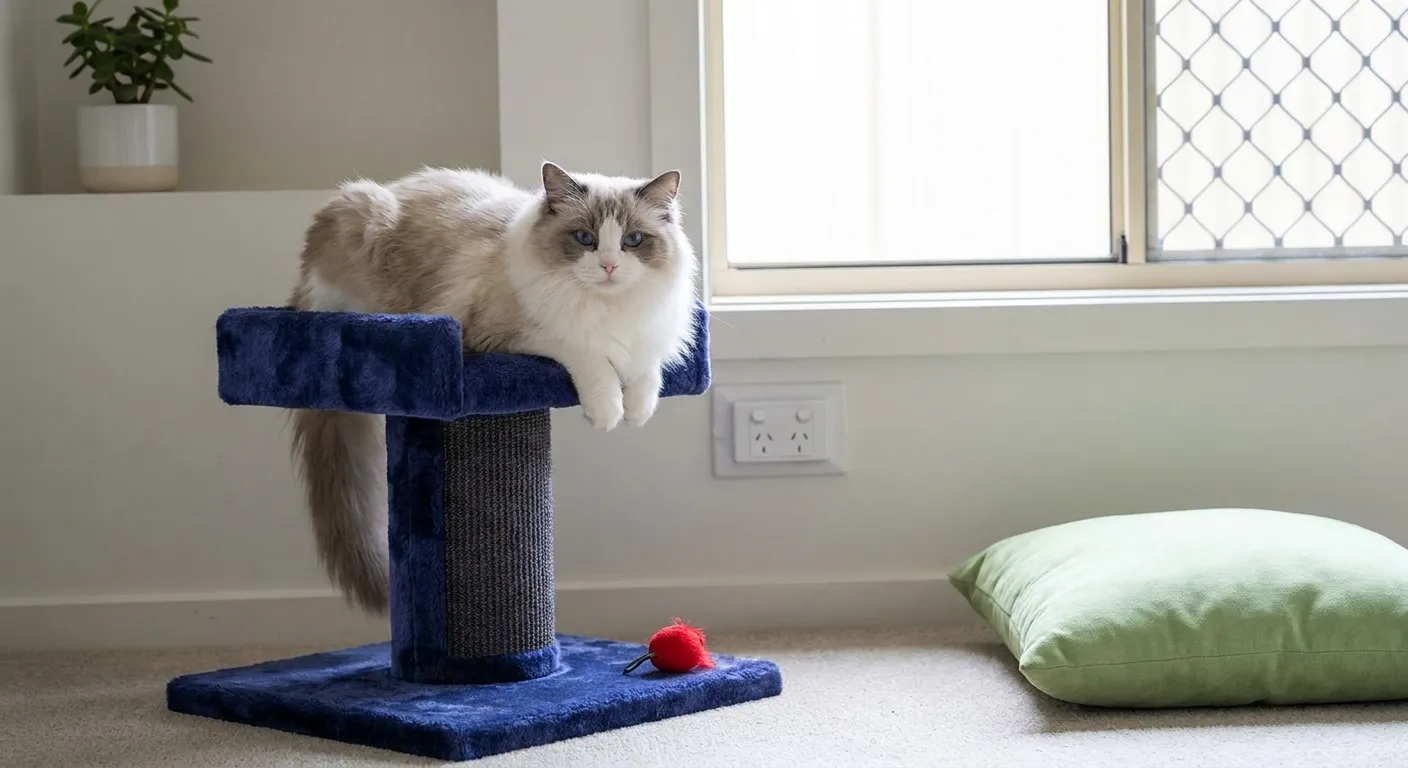
Ragdolls, like all cats, appreciate vertical space. Consequently, providing cat trees, shelves, or window perches allows them to observe their surroundings from a safe vantage point. This satisfies their natural instinct to climb and explore. Furthermore, offering various scratching posts and surfaces helps protect your furniture and provides an outlet for their natural scratching behavior. Ensure these are sturdy and tall enough for your Ragdoll to fully stretch. For ideas on essential items, check out Ragdoll Cat Owner Supplies You Truly Need.
Safe Play and Interaction
Interactive play is crucial for a Ragdoll’s physical and mental health. Use wand toys, laser pointers (with a physical reward at the end), and puzzle feeders to engage their minds and bodies. Always supervise playtime, especially with string toys, to prevent accidental ingestion. Moreover, rotate toys regularly to keep things interesting and prevent boredom. This approach to play contributes significantly to overall Ragdoll safety at home.
Safe Outdoor Experiences
While Ragdolls are primarily indoor cats, some supervised outdoor exposure can be beneficial. As mentioned, a catio is an excellent option for safe outdoor time. Alternatively, harness training can allow for supervised walks in a secure area. Always use a well-fitting harness specifically designed for cats, and never leave your Ragdoll unattended outdoors. This controlled exposure helps satisfy their curiosity about the outside world without exposing them to its inherent dangers. For those considering a Ragdoll for the first time, understanding their needs is paramount, as detailed in Ragdoll Cats for Beginners: What You Should Know.
Emergency Preparedness: An Essential Aspect of Ragdoll Home Safety
Even with the most diligent efforts, accidents can happen. Therefore, being prepared for emergencies is a critical component of Ragdoll home safety. Knowing what to do in a crisis can make a significant difference in your cat’s outcome. Consequently, every Ragdoll owner should have a plan in place.
First-Aid Kit for Cats
Assemble a basic first-aid kit specifically for your cat. This should include items like sterile gauze, adhesive tape, antiseptic wipes (non-stinging), tweezers, a pet-safe thermometer, and a pet-safe wound cleanser. Knowing how to use these items for minor injuries can be invaluable. Additionally, consider taking a pet first-aid course. Resources like the American Red Cross Pet First Aid program offer valuable training.
Emergency Contacts
Keep a list of emergency contacts readily available. This list should include your veterinarian’s phone number, the number for an emergency veterinary clinic (especially for after-hours care), and the number for a pet poison control hotline. Post these numbers in a visible location, such as on the refrigerator, so everyone in the household knows where to find them. This proactive step is vital for ensuring prompt attention in a crisis, which is a core element of Ragdoll home safety.
Evacuation Plan
In the event of a natural disaster or house fire, having an evacuation plan that includes your Ragdoll is crucial. Know where your cat typically hides and have a carrier easily accessible. Practice your evacuation plan periodically to ensure you can quickly and safely get your pet out of harm’s way. This foresight is a testament to your commitment to their well-being and a key part of ensuring Ragdoll home safety.
Regular Maintenance and Vigilance
Creating a safe home environment is not a one-time task; it requires ongoing vigilance and maintenance. Regularly inspect your home for new hazards or overlooked dangers. As your Ragdoll grows and their habits change, so too might the risks they face. For instance, a kitten might be more prone to chewing, while an older cat might be less agile and more susceptible to falls. Adapting your safety measures accordingly is essential for continuous Ragdoll home safety.
Furthermore, involve all family members in maintaining a safe environment. Children, in particular, should be taught about the importance of putting away small toys and not leaving doors ajar. Regular family discussions about pet safety can reinforce these practices. This collective effort ensures that everyone contributes to the well-being of your beloved Ragdoll. Indeed, a shared responsibility fosters a truly safe haven for your feline companion.
In conclusion, creating a Ragdoll-proof home is an ongoing commitment that involves careful planning, regular inspections, and proactive measures. By addressing potential hazards, providing a stimulating environment, and preparing for emergencies, you can ensure your beloved Ragdoll lives a happy, healthy, and hazard-free life indoors. Your dedication to Ragdoll home safety provides the peace of mind that your floppy friend is secure and loved in their forever home. Remember, a safe home is a happy home for your cherished Ragdoll.
FAQ
What are common household items that are toxic to Ragdoll cats?
Many common houseplants like lilies and sago palms are toxic. Additionally, cleaning supplies, human medications, and certain foods like chocolate and grapes can be very harmful. Always keep these items securely stored and out of your cat’s reach.
How can I protect my Ragdoll from electrical hazards?
Bundle and secure electrical cords with covers or conduits. If your cat tends to chew, consider applying deterrent sprays. Regularly inspect cords for damage and replace any that are frayed to prevent electrocution or burns.
Is it safe for my Ragdoll to go outside?
Ragdolls are generally not street-smart and are best kept indoors. However, supervised outdoor experiences in a secure catio or on a leash with a proper harness can provide safe enrichment. Never allow them to roam freely outside.
What should I do if my Ragdoll ingests something harmful?
Immediately contact your veterinarian or an emergency veterinary clinic. Have the packaging or a sample of what your cat ingested ready. Do not try to induce vomiting without professional guidance, as it can sometimes cause more harm.
How can I prevent my Ragdoll from getting trapped in appliances or furniture?
Always check inside washing machines, dryers, and beneath recliners or rocking chairs before operating them. Ragdolls are known for finding cozy, hidden spots, so a quick check can prevent serious accidents.
Related reading: