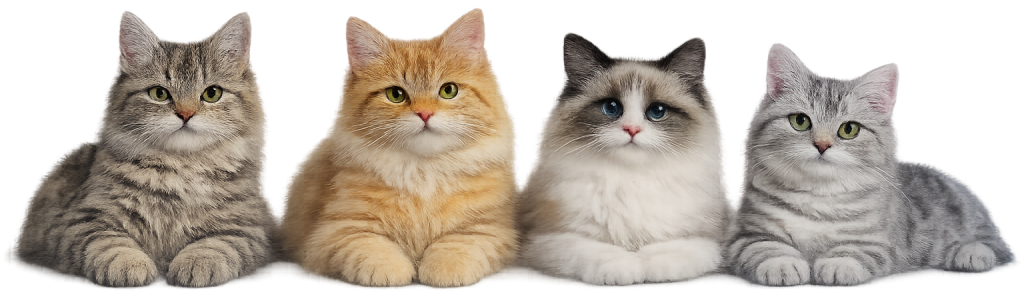
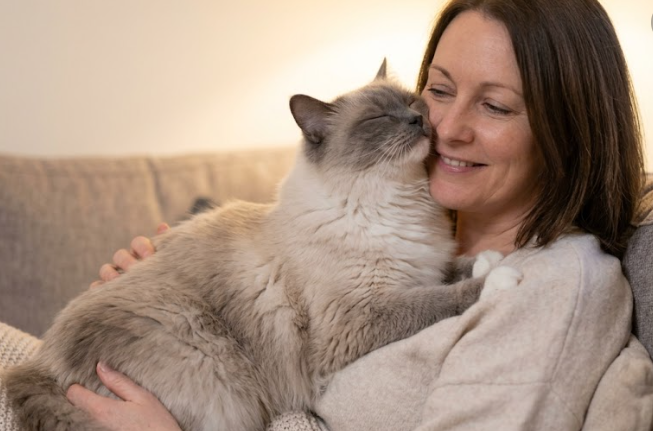
Few breeds are as consistently associated with deep human attachment as Ragdolls, and understanding how Ragdoll Cats Form Strong Bonds sheds light on why this breed has such a devoted following. Known for following their owners from room to room, seeking physical closeness, and showing what many describe as dog-like loyalty, Ragdolls build attachment in ways that go beyond typical feline independence.
This bonding tendency isn’t accidental. It stems from a combination of temperament, breeding history, and the kind of consistent, gentle interaction that tends to strengthen any relationship between a cat and their owner.
A Temperament Built for Attachment
Ragdoll Cats Form Strong Bonds in part because of a temperament specifically shaped through selective breeding toward calm, people-oriented behavior. Since the breed’s development in the 1960s, breeders have favored traits like docility, trust, and tolerance of handling, all of which support a stronger inclination toward attachment compared to more independent breeds.
This foundation means many Ragdolls are naturally inclined to seek out human company rather than retreat from it, creating more consistent opportunities for bonding throughout daily life.
The Role of Trust and Consistency
Trust plays a central role in how Ragdoll Cats Form Strong Bonds. Cats that feel secure in their environment and confident in their relationship with their owner are generally more likely to display affectionate, bonded behavior. Consistent routines, gentle handling, and predictable interactions all contribute to building this sense of security over time.
Because Ragdolls tend to start with an inherent trust advantage compared to more wary breeds, this trust-building process often happens more quickly and visibly, which is part of why the bond can feel especially strong early in the relationship.
Physical Affection and Proximity
Ragdolls are known for wanting to be near their owners, whether that means sitting nearby, following from room to room, or seeking out laps and physical contact. This preference for proximity is both a sign of and a contributor to strong bonding, since regular physical closeness tends to reinforce attachment over time.
Their tolerance for handling, including the well-known tendency to relax completely when held, also supports more frequent physical affection, since owners are often more inclined to pick up and cuddle a cat that responds calmly rather than resisting.
Shared Activities and Attention
Bonding isn’t limited to physical affection. Ragdolls that receive regular interactive play, consistent feeding routines, and genuine attention throughout the day tend to develop even stronger attachment than those left largely to their own devices.
Because Ragdolls are often more responsive to interactive play with their owner than independent play alone, shared activities like wand toy sessions or gentle fetch-style games double as both exercise and relationship-building time.
Early Socialization’s Role
How Ragdoll Cats Form Strong Bonds is also influenced by early experiences. Kittens exposed to gentle, positive handling and consistent human interaction during their early development tend to carry that trust and openness into adulthood.
This is part of why working with a reputable breeder who prioritizes early socialization, or providing patient, positive experiences with a rescued Ragdoll, can meaningfully shape the strength and ease of the bond that develops.
Strengthening the Bond Over Time
Even naturally affectionate cats benefit from ongoing investment in the relationship. Regular grooming sessions, gentle handling, consistent daily routines, and dedicated one-on-one time all help maintain and deepen an existing bond throughout your cat’s life.
Recognizing and respecting your cat’s individual preferences, since not every Ragdoll wants the same type or amount of interaction, also supports a healthier, more secure attachment than a one-size-fits-all approach to bonding.
Conclusion
Ragdoll Cats Form Strong Bonds through a combination of breed temperament, trust, consistent positive interaction, and genuine physical closeness. While the breed’s history and selective development laid the groundwork for this tendency, the depth of the bond in any individual relationship still depends on the consistency and quality of care and attention provided.
By understanding what drives this attachment, owners can nurture an already strong foundation into an even deeper, more rewarding relationship with their Ragdoll.
FAQ
1. Why are Ragdoll cats so attached to their owners? This tendency largely comes from selective breeding toward calm, trusting, people-oriented temperament traits since the breed’s development.
2. Does early socialization affect how bonded a Ragdoll becomes? Yes, kittens exposed to gentle, positive handling early in life tend to carry that trust into adulthood.
3. How can I strengthen my bond with my Ragdoll? Consistent routines, regular interactive play, and respecting your cat’s individual preferences all help deepen the relationship over time.
4. Do Ragdolls bond with just one person or the whole family? Many Ragdolls bond with multiple household members, though individual cats may show a stronger preference for one particular person.
5. Is the tendency to bond closely unique to Ragdolls? While many cats can form strong bonds, Ragdolls are particularly known for this trait due to their breeding history and generally trusting temperament.