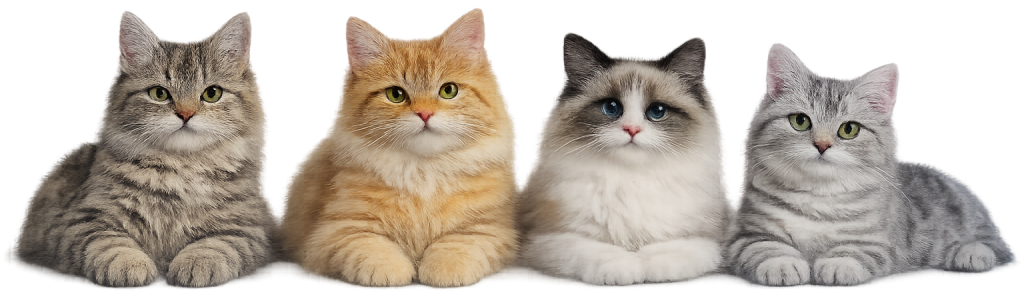
Ragdolls are considered senior around age eleven, though many remain playful and social well into their older years. Caring for Senior Ragdoll Cats involves recognizing that their needs shift gradually, even if outward changes aren’t always obvious. Small adjustments to diet, environment, and veterinary care can make a meaningful difference in their comfort and quality of life.
Because Ragdolls are a breed with a known predisposition toward certain health conditions, including hypertrophic cardiomyopathy, senior care often includes closer monitoring rather than just general aging support. Working with your veterinarian on a wellness plan tailored to your cat’s history is one of the most valuable things you can do.
Recognizing the Signs of Aging
Caring for Senior Ragdoll Cats starts with noticing changes that come with age. Reduced activity, more time spent sleeping, and slower movement are common as cats get older. Some senior cats develop stiffness or difficulty jumping to higher surfaces they once reached easily.
Changes in appetite, water intake, or litter box habits can also emerge with age and sometimes point to underlying conditions like kidney disease, which becomes more common in older cats. Weight loss despite a normal or increased appetite can be a sign of hyperthyroidism, another condition more frequently seen in senior cats.
Because cats are skilled at masking discomfort, subtle behavior changes are often the first clue that something needs attention.
Adjusting Nutrition for Senior Cats
Diet is a central part of Caring for Senior Ragdoll Cats. Senior-specific cat foods are often formulated with adjusted protein, fat, and calorie levels to match a slower metabolism and changing health needs.
Some older cats benefit from diets that support kidney or joint health, though the right formula depends on your individual cat’s condition and should be guided by your veterinarian rather than chosen generically.
Maintaining a healthy weight matters in both directions. Both obesity and unexplained weight loss carry health risks in senior cats, so regular weigh-ins at home or during vet visits help track trends over time.
Veterinary Care and Monitoring
Senior cats generally benefit from more frequent veterinary checkups, often every six months rather than annually, to catch age-related conditions early. Bloodwork, blood pressure checks, and urinalysis are commonly recommended to monitor kidney function, thyroid levels, and overall organ health.
Given the breed’s cardiac predisposition, some veterinarians recommend periodic heart screening for senior Ragdolls, particularly if there’s a family history or prior findings. Your vet can advise on the appropriate frequency based on your cat’s individual risk factors.
Dental health also becomes increasingly important with age, since dental disease can affect appetite and overall comfort.
Making the Home More Comfortable
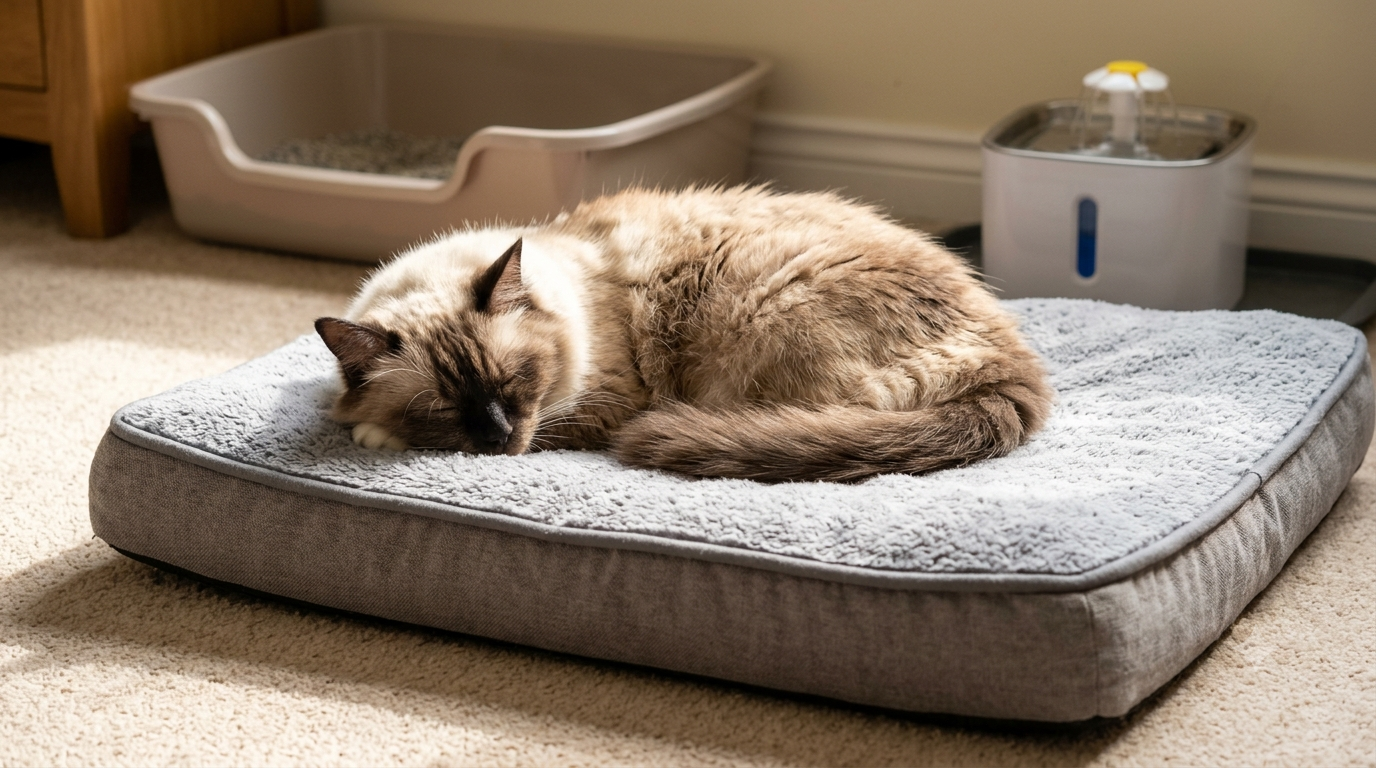
Caring for Senior Ragdoll Cats often means adjusting the environment to match reduced mobility. Providing ramps or steps to favorite resting spots helps cats with stiff joints avoid painful jumps.
Litter boxes with lower sides make access easier for cats with arthritis or reduced flexibility. Placing extra litter boxes, food, and water bowls on the main level of the home reduces the need for stairs.
Soft, supportive bedding placed in warm, quiet areas helps senior cats rest comfortably, particularly during colder months when joint stiffness can worsen.
Supporting Mental and Emotional Wellbeing
Even as physical activity decreases, mental engagement remains valuable. Gentle play sessions, food puzzles, and continued affection help keep senior Ragdolls engaged without overexerting them.
Maintaining routine and minimizing major changes to the household environment can also reduce stress, since older cats sometimes adapt to change more slowly than younger ones.
Conclusion
Caring for Senior Ragdoll Cats the right way means paying closer attention to subtle changes, adjusting nutrition and environment, and staying consistent with veterinary monitoring. While aging brings new considerations, most senior Ragdolls continue to enjoy an affectionate, comfortable life with the right support in place.
By working closely with your veterinarian and making thoughtful adjustments at home, you can help your Ragdoll enjoy their senior years with comfort and dignity.
FAQ
1. At what age is a Ragdoll considered a senior cat? Ragdolls are generally considered senior around age eleven, though individual aging varies.
2. How often should senior Ragdolls see the vet? Many veterinarians recommend checkups every six months for senior cats to catch age-related conditions early.
3. Do senior Ragdolls need a special diet? Many benefit from senior-specific formulas, though the right diet depends on individual health conditions and should be guided by a veterinarian.
4. What health conditions are common in senior Ragdolls? Kidney disease, hyperthyroidism, and arthritis are common in senior cats generally, and Ragdolls carry a known predisposition toward hypertrophic cardiomyopathy.
5. How can I make my home easier for my senior Ragdoll? Ramps, low-sided litter boxes, and accessible food and water stations on the main floor can all help reduce strain from reduced mobility.