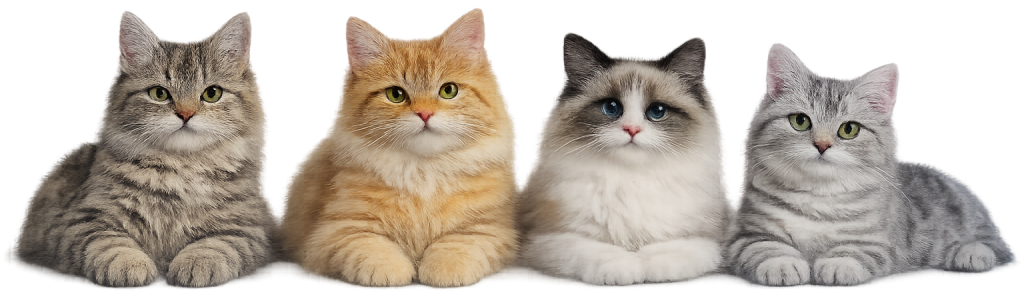

For Ragdoll enthusiasts, ensuring the health and longevity of these magnificent cats is paramount. As pets are increasingly viewed as family members, the demand for products and services supporting their health and wellness is soaring. A significant part of this involves understanding and proactively managing breed-specific conditions, especially when it comes to Ragdoll cat genetic health. At Ragdoll Cat Guide, we believe in empowering owners with knowledge to make informed decisions for their beloved companions.
Unpacking Key Ragdoll Genetic Health Concerns
The 2025 RVC VetCompass research study revealed that 61.28% of Ragdolls have at least one health disorder, highlighting the importance of focused care. While many issues are manageable, some genetic predispositions require specific attention. Therefore, understanding these conditions is vital for responsible ownership.
Hypertrophic Cardiomyopathy (HCM): The Primary Cardiac Concern
Hypertrophic Cardiomyopathy (HCM) is the most significant genetic heart condition in Ragdolls, causing a thickening of the heart muscle. Consequently, this can lead to heart failure, blood clots, and sudden death. The good news is that a specific DNA mutation linked to HCM in Ragdolls can be tested for. Ethical breeders rigorously DNA-test their breeding cats to minimize the risk of passing on this devastating condition. Early detection through regular veterinary check-ups, including echocardiograms for at-risk cats, is crucial for managing the disease and improving quality of life. Furthermore, ongoing research continues to shed light on feline cardiac health.
Polycystic Kidney Disease (PKD): A Less Common but Serious Threat
While Ragdolls have a lower risk for Polycystic Kidney Disease (PKD) compared to some other breeds, it’s still a genetic condition to be aware of. PKD causes cysts to form in the kidneys, which can grow over time and lead to kidney failure. The 2025 RVC study indicates that kidney disorders were the leading cause of death in Ragdolls at 21%, underscoring the importance of kidney health. Responsible breeders will often screen for PKD. Moreover, regular veterinary check-ups, including blood and urine tests, can help monitor kidney function.
Urinary Tract Issues: Calcium Oxalate Bladder Stones
Ragdolls can be prone to urinary crystals or blockages, particularly calcium oxalate bladder stones. These issues can be painful and, if leading to blockages, life-threatening. While not strictly genetic in the same way as HCM or PKD, there can be a predisposition influenced by diet, hydration, and other factors. Prevention involves:
- Adequate Hydration: Encourage water intake with fresh water bowls, filtered fountains, and wet food.
- Appropriate Diet: Your vet may recommend specific diets designed to promote urinary health.
- Litter Box Hygiene: Keep litter boxes meticulously clean to encourage frequent urination. For more tips, refer to our guide on Fix Ragdoll Cat Litter Box Issues Fast.
The Role of Ethical Breeding in Ragdoll Cat Genetic Health
Ethical breeding practices are the cornerstone of minimizing the prevalence of inherited diseases. Reputable breeders prioritize the health of their lines, meticulously screening for known genetic conditions. This includes DNA testing for HCM and, in some cases, ultrasound screening for PKD. Therefore, choosing a breeder who is transparent about their health testing protocols is paramount. They should be willing to provide documentation for both parent cats. This commitment helps ensure that kittens are as healthy as possible, reducing the burden of genetic health issues in the breed. For those considering getting a Ragdoll, understanding these practices is a crucial first step, as discussed in Ragdoll Cats for Beginners: What You Should Know.
Understanding Pedigrees and Health Guarantees
A well-documented pedigree provides a lineage of a cat’s ancestors, which can sometimes offer clues about potential health predispositions. While not a guarantee, it can indicate a breeder’s long-term commitment to healthy lines. Furthermore, many ethical breeders offer health guarantees for their kittens, typically covering genetic conditions for a specified period. Always review these guarantees carefully and understand what they entail. It is also wise to consult with your veterinarian about any concerns regarding a kitten’s health history.
Proactive Management of Ragdoll Cat Genetic Health
Even with responsible breeding, genetic conditions can sometimes emerge. Consequently, proactive management becomes essential for the well-being of your Ragdoll. This involves a combination of regular veterinary care, a suitable diet, and a keen eye for any changes in behavior or physical condition. Early detection often leads to more effective treatment and a better quality of life for your feline friend. For comprehensive care strategies, our article on Indoor Ragdoll Cat Care Tips You Need to Know offers valuable insights.
Regular Veterinary Check-ups and Screening
Annual veterinary visits are critical for all cats, but especially for breeds with known genetic predispositions. Your vet can perform routine physical exams, listen to your cat’s heart, and recommend specific screenings based on age and family history. For instance, regular echocardiograms might be advised for Ragdolls from lines with a history of HCM, even if they tested negative for the known mutation. Similarly, blood and urine tests can help monitor kidney function and detect early signs of kidney disease. These proactive steps are vital for managing potential Ragdoll cat genetic health challenges.
Diet and Lifestyle Adjustments
Nutrition plays a significant role in overall health and can sometimes help manage or mitigate genetic predispositions. For example, a vet-prescribed diet might be beneficial for Ragdolls prone to urinary stones or those with early signs of kidney issues. Maintaining a healthy weight is also crucial, as obesity can exacerbate many health problems, including cardiac stress. Provide plenty of opportunities for play and exercise to keep your Ragdoll active and engaged. For owners seeking the right supplies, our guide on Ragdoll Cat Owner Supplies You Truly Need can be helpful.
Recognizing Symptoms and Seeking Timely Care
As a Ragdoll owner, being attentive to your cat’s behavior and physical signs is perhaps your most powerful tool in safeguarding their health. Subtle changes can often be the first indicators of an underlying issue. For example, reduced activity, changes in appetite or thirst, or alterations in litter box habits warrant veterinary attention. Early intervention can significantly improve outcomes for many conditions, especially those related to inherited traits. Therefore, never hesitate to contact your vet if you notice anything unusual. For a broader understanding of common health issues, consider reading about Ragdoll Cat Health Problems Every Owner Should Know.
Symptoms of Cardiac Concerns (HCM)
Symptoms of heart conditions like HCM can be subtle in their early stages. Cats are masters at hiding illness. However, as the disease progresses, you might observe lethargy, difficulty breathing, coughing, or a reduced tolerance for exercise. In severe cases, sudden paralysis of the hind legs due to a blood clot (a saddle thrombus) can occur. Any of these signs require immediate veterinary attention. Regular check-ups with your vet are essential to catch these issues early, even before overt symptoms appear.
Symptoms of Kidney Disease (PKD)
Signs of kidney disease can include increased thirst and urination, weight loss, decreased appetite, and lethargy. As the kidneys fail, toxins build up in the blood, leading to nausea and vomiting. While PKD is less common in Ragdolls than HCM, these symptoms should never be ignored. Your veterinarian can perform blood and urine tests to assess kidney function and diagnose potential problems. Early diagnosis is key to managing the progression of kidney conditions.
Symptoms of Urinary Tract Issues
Cats with urinary tract issues, such as bladder stones, may show signs like frequent attempts to urinate with little output, straining in the litter box, crying during urination, or urinating outside the litter box. Blood in the urine is also a serious indicator. A urinary blockage is a life-threatening emergency, particularly for male cats, and requires immediate veterinary care. Observing your cat’s litter box habits is an important part of proactive health monitoring.
The Future of Ragdoll Cat Genetic Health Research
The field of feline genetics is continuously evolving, offering new hope for understanding and managing breed-specific health challenges. Researchers are constantly working to identify new genetic markers for diseases and to develop improved diagnostic and treatment options. Owners can contribute to this progress by participating in breed-specific health studies or by supporting organizations dedicated to feline health research. For example, the Cornell Feline Health Center is a leading institution in this area (https://www.vet.cornell.edu/departments-centers-and-institutes/cornell-feline-health-center). Staying informed about the latest advancements is another way to protect your Ragdoll’s health.
Genetic counseling for breeders is also becoming more sophisticated, allowing for more informed decisions about breeding pairs to minimize the risk of passing on undesirable traits. As a result, the overall health of the Ragdoll breed continues to improve, thanks to dedicated breeders and researchers. The commitment to understanding and mitigating Ragdoll cat genetic health concerns is a shared responsibility among owners, breeders, and veterinary professionals.
Conclusion
Understanding and managing Ragdoll cat genetic health is a continuous journey that requires dedication and informed decision-making. By choosing an ethical breeder, maintaining regular veterinary care, observing your cat closely, and staying informed about breed-specific conditions, you can significantly enhance your Ragdoll’s quality of life and longevity. At Ragdoll Cat Guide, we are committed to providing you with the resources and knowledge needed to be the best advocate for your beloved feline companion. Your proactive efforts truly make a difference in safeguarding their well-being.
FAQ
What are the most common inherited conditions in Ragdolls?
The most significant inherited condition for this breed is Hypertrophic Cardiomyopathy (HCM), a heart disease. Polycystic Kidney Disease (PKD) is also a concern, though less common than in some other breeds. Responsible breeders screen for these conditions.
How can I find a breeder who prioritizes the genetic well-being of their cats?
Look for breeders who are transparent about their health testing, provide documentation for DNA tests (especially for HCM), and offer health guarantees. They should also be willing to discuss the health history of their breeding lines and answer all your questions thoroughly.
What tests should my Ragdoll have to monitor for inherited diseases?
Regular veterinary check-ups are essential. For HCM, DNA testing is available, and echocardiograms may be recommended. For kidney health, blood and urine tests can monitor function. Your vet will advise on the specific screenings appropriate for your individual cat’s age and background.
Can diet prevent genetic health issues in Ragdolls?
While diet cannot prevent a genetic predisposition, it can play a crucial role in managing or mitigating certain conditions. For instance, specific veterinary diets can help manage urinary tract issues or support kidney function. Always consult your veterinarian for dietary recommendations tailored to your Ragdoll’s needs.
Are all Ragdolls destined to develop genetic health problems?
No, not all Ragdolls will develop genetic health problems. Responsible breeding practices significantly reduce the risk. However, it’s important for owners to be aware of the predispositions and engage in proactive health management to ensure their Ragdoll lives a long and healthy life.
Related reading: