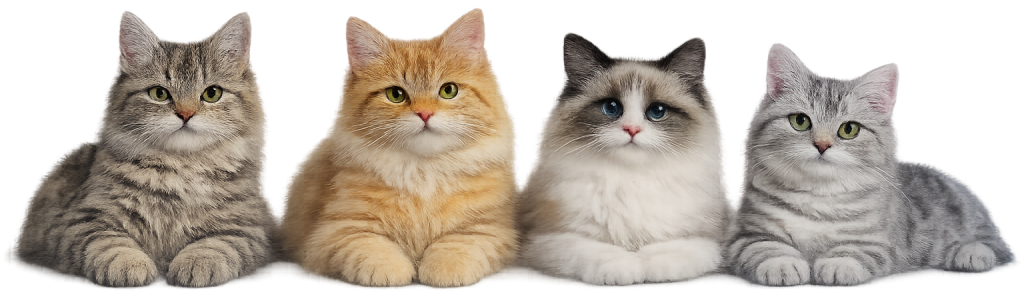
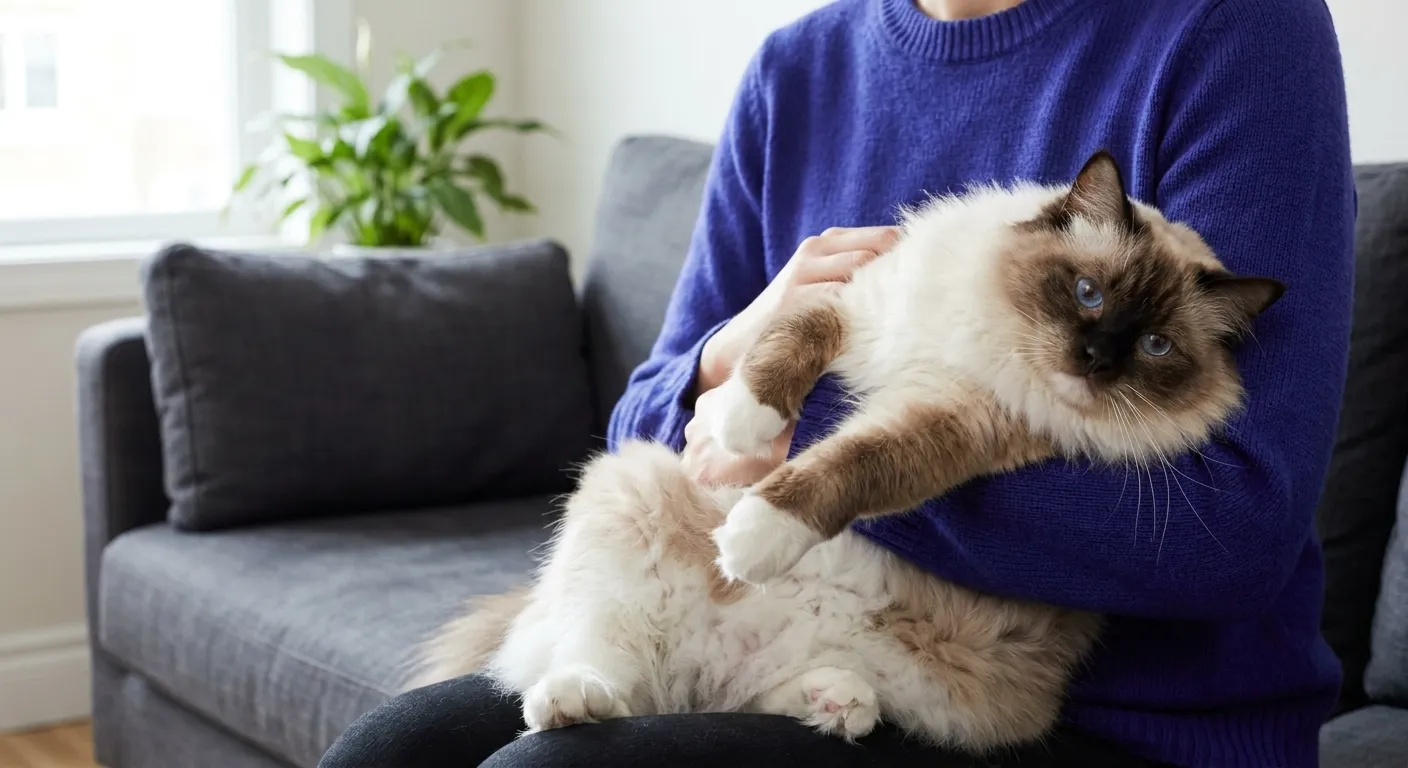
Ragdoll cats are famed for their affectionate nature, often described as ‘puppy-like’ for their tendency to follow owners around and greet them at the door. Understanding Ragdoll cat behavior is crucial for providing the best care and fostering a strong bond. These gentle giants have a distinct personality that sets them apart from other breeds, characterized by their docility and often a ‘floppy’ response when picked up. Indeed, their unique temperament makes them cherished companions for many.
The Affectionate Nature of Ragdolls
One of the most endearing aspects of a Ragdoll’s disposition is their extreme devotion to their human companions. They are often called ‘shadow cats’ because they will follow you from room to room, preferring to be in your presence. This isn’t just curiosity; it’s a deep-seated desire for companionship and affection. Unlike more independent breeds, Ragdolls thrive on interaction and can become lonely if left alone for extended periods. For example, they enjoy being part of family activities, whether it’s watching TV or ‘helping’ with chores. This constant presence is a sign of their love and trust in you. Furthermore, their friendly demeanor extends to most people, as detailed in our guide Are Ragdoll Cats Friendly With Everyone.
Why Do Ragdoll Cats Follow Their Owners?
The habit of shadowing their human companions is a hallmark of these cats. Basically, it stems from their need for connection. They genuinely enjoy being near their family members. Consequently, they will often seek out the same room you are in, settling down nearby for a nap or simply observing your activities. This trait distinguishes them from many other felines, which might prefer more solitude. Moreover, this constant presence reinforces their bond with you, making them feel secure and loved.
The ‘Floppy’ Phenomenon and Vocalizations
The breed’s name, ‘Ragdoll,’ originates from their tendency to relax and go limp when picked up, much like a child’s ragdoll. This unique behavioral trait is a testament to their trusting and relaxed disposition. While not all Ragdolls will go completely limp, many display a remarkable degree of placidness when handled. In terms of vocalizations, Ragdolls are generally quiet cats. They often communicate through soft trills, chirps, and gentle meows rather than loud, demanding cries. These subtle sounds are usually expressions of contentment, a request for attention, or a greeting. Therefore, understanding these nuances is key to interpreting their needs.
Understanding Ragdoll Cat Behavior: Key Traits
Beyond their affectionate and ‘floppy’ nature, several other aspects define the typical Ragdoll cat’s temperament. They are known for being incredibly docile and patient, making them excellent pets for families with children or other animals. In fact, their calm demeanor often allows them to adapt well to various home environments, including apartments, as discussed in our article Ragdoll Cats Apartments Owners Love for Quiet Living. They are not typically prone to aggression, preferring to retreat rather than confront. This gentle disposition is a significant reason why they are so beloved.
Playfulness and Intelligence
Despite their calm nature, Ragdolls are also quite playful. They enjoy interactive games, such as chasing toys or playing fetch, and can be easily entertained with simple objects. Their intelligence is often underestimated; they can learn tricks and respond to their names. Many owners report that their Ragdolls quickly pick up on routines and even anticipate their owners’ actions. For more on their cognitive abilities, explore Smart Ragdoll Cats and Their Surprising Intelligence. Providing them with stimulating toys and consistent interaction will help keep their minds sharp and prevent boredom.
Social Needs and Companionship
Ragdolls are highly social creatures that thrive on companionship. They do not do well when left alone for long periods. If you have a busy lifestyle, consider getting two Ragdolls so they can keep each other company, or ensure you dedicate ample time to interaction when you are home. They genuinely crave human connection and will often seek out opportunities for cuddles and lap time. Consequently, ignoring their social needs can lead to feelings of loneliness and even behavioral issues. It’s important to remember that this unique cat behavior is part of their charm.
Addressing Specific Ragdoll Cat Behavior Patterns
While Ragdolls are generally well-behaved, understanding common behavioral patterns can help address any potential concerns. For example, some Ragdolls might become overly attached, exhibiting separation anxiety if left alone too often. Others might develop specific preferences for certain toys or routines. Recognizing these patterns allows owners to respond effectively and maintain a harmonious household. Moreover, consistency in training and daily routines is paramount for these sensitive cats.
Coping with Separation Anxiety
If your Ragdoll shows signs of separation anxiety, such as excessive vocalization, destructive behavior, or inappropriate urination when you are away, there are steps you can take. Gradually increasing the time you leave them alone, providing stimulating toys, and creating a comfortable, safe space can help. Sometimes, leaving an item with your scent can also provide comfort. Consulting with a veterinarian or a cat behaviorist is always recommended for persistent issues. Understanding their unique cat behavior helps manage these situations.
Litter Box Habits and Training
Most Ragdolls are meticulous about their litter box habits. However, if issues arise, it’s usually due to a change in routine, litter type, or a health concern. Ensure their litter box is clean, easily accessible, and in a quiet location. Ragdolls are relatively easy to train, including litter training, but patience and positive reinforcement are key. For detailed solutions, refer to Fix Ragdoll Cat Litter Box Issues Fast. Their inherent desire to please their owners makes them quite receptive to training.
Health and Its Influence on Ragdoll Cat Behavior
A cat’s health significantly impacts its behavior. Any sudden change in your Ragdoll’s demeanor, such as increased lethargy, aggression, or withdrawal, could indicate an underlying health issue. Regular veterinary check-ups are essential to catch and address potential problems early. For instance, dental pain might make a cat irritable, while arthritis could reduce their desire to play or jump. Therefore, observing changes in their typical Ragdoll cat behavior is crucial for their well-being. Keeping an eye on their overall health is a key component of responsible pet ownership.
Common Health Concerns
Ragdolls are generally a healthy breed, but like all purebred cats, they are predisposed to certain genetic conditions. Hypertrophic cardiomyopathy (HCM) and polycystic kidney disease (PKD) are two such conditions. Regular screening by a vet can help monitor for these issues. Owners should also be aware of common feline ailments like urinary tract infections or dental disease, which can cause discomfort and behavioral changes. For more information, please visit the Cornell Feline Health Center website. Prompt attention to these health matters ensures your Ragdoll remains happy and comfortable.
Nutrition and Well-being
A balanced diet is fundamental to a Ragdoll’s overall health and energy levels. High-quality cat food appropriate for their age and activity level will support their physical and mental well-being. Poor nutrition can lead to lethargy, a dull coat, and even behavioral problems. Ensuring they have access to fresh water at all times is also vital. A well-nourished Ragdoll is typically a happy and well-behaved Ragdoll. This directly impacts their daily cat behavior and overall disposition.
Fostering a Positive Environment for Your Ragdoll
Creating a stimulating and safe environment is paramount for a Ragdoll’s happiness. This includes providing appropriate scratching posts, toys, and comfortable resting spots. Since they are indoor cats, enrichment is particularly important to prevent boredom and maintain good mental health. Interactive play sessions, puzzle feeders, and even clicker training can keep them engaged. Remember, a happy Ragdoll is less likely to exhibit undesirable behaviors. Consequently, investing time in their environment pays dividends in their contentment.
Enrichment and Playtime
Ragdolls benefit greatly from regular playtime. Daily sessions with wand toys, laser pointers, or even simple crumpled paper balls can satisfy their predatory instincts and provide essential exercise. Puzzle toys that dispense treats can also offer mental stimulation. Rotating toys keeps things interesting and prevents them from getting bored with the same items. This consistent engagement helps reinforce positive cat behavior and strengthens your bond.
Grooming and Handling
Ragdolls have beautiful, semi-longhair coats that require regular grooming to prevent mats and tangles. Daily brushing is ideal, not only for coat health but also as a bonding experience. They generally tolerate and even enjoy being brushed due to their docile nature. Early exposure to handling, including nail trims and ear cleaning, will make these routines easier throughout their lives. This positive interaction contributes to their trusting Ragdoll cat behavior.
In conclusion, Ragdoll cat behavior is a charming blend of affection, docility, and quiet companionship. By understanding their unique traits—from their shadowing tendencies to their soft vocalizations and ‘floppy’ nature—you can ensure a harmonious and loving relationship with your cherished Ragdoll. Their need for companionship, combined with their gentle disposition, makes them truly special pets. Therefore, providing a nurturing home environment and consistent care will allow their wonderful personalities to shine. This comprehensive understanding ensures a fulfilling life for both you and your Ragdoll companion.
FAQ
What are the most common traits of Ragdoll cats?
Ragdoll cats are primarily known for their affectionate, docile, and ‘puppy-like’ nature. They often follow their owners, enjoy being picked up (sometimes going limp), and are generally quiet, communicating with soft trills and meows. They are also quite playful and intelligent.
Do Ragdolls get along with other pets?
Generally, yes. Their calm and gentle disposition makes them highly compatible with other pets, including dogs and other cats, provided proper introductions are made. They tend to be non-aggressive and prefer to avoid conflict.
How much attention does a Ragdoll cat need?
Ragdolls require a significant amount of attention and companionship. They thrive on human interaction and can become lonely if left alone for extended periods. Daily playtime and cuddles are essential for their emotional well-being.
Are Ragdoll cats vocal?
Compared to many other breeds, Ragdolls are not particularly vocal. They tend to have soft, gentle voices and communicate through quiet trills, chirps, and subtle meows, usually to express contentment or to seek attention.
Why do Ragdoll cats go limp when picked up?
The ‘floppy’ trait is a unique characteristic of the breed, from which they get their name. It signifies their trusting and relaxed disposition, indicating they feel safe and comfortable in your arms. Not all Ragdolls will go completely limp, but many exhibit this placid response.
Related reading: