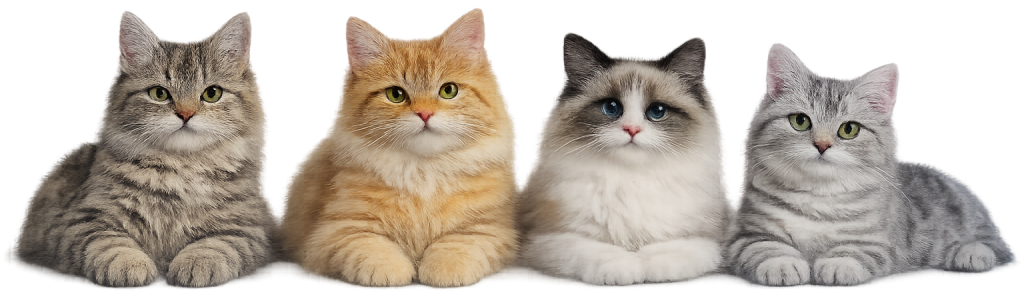
Because Ragdolls form such close bonds with their owners, Ragdoll Cat Separation Anxiety is a concern many owners eventually encounter. This breed’s affectionate, people-oriented nature means some cats genuinely struggle when left alone, showing behavior changes that go beyond simple boredom. Recognizing these signs early makes it easier to address the underlying stress before it becomes a bigger issue.
Separation anxiety in cats isn’t always as visibly dramatic as it can be in dogs, which sometimes means the signs go unnoticed or get mistaken for other behavior problems. Understanding what to look for helps you respond appropriately and support your cat.
Why Ragdolls Are Prone to Separation Anxiety
Ragdoll Cat Separation Anxiety is linked closely to the breed’s temperament. Ragdolls are often described as unusually attached to their owners, following them around the house and seeking frequent physical closeness. This same trait that makes them wonderful companions can make prolonged alone time harder for some individuals.
Cats that were separated from their mother or littermates too early, or that experienced limited early socialization, may also be more prone to anxiety-related behaviors later in life, including around being left alone.
Common Behavioral Signs
Excessive vocalization is one of the more noticeable signs of Ragdoll Cat Separation Anxiety. A cat that meows persistently as you prepare to leave, or shortly after you’ve gone, may be expressing distress rather than simple curiosity.
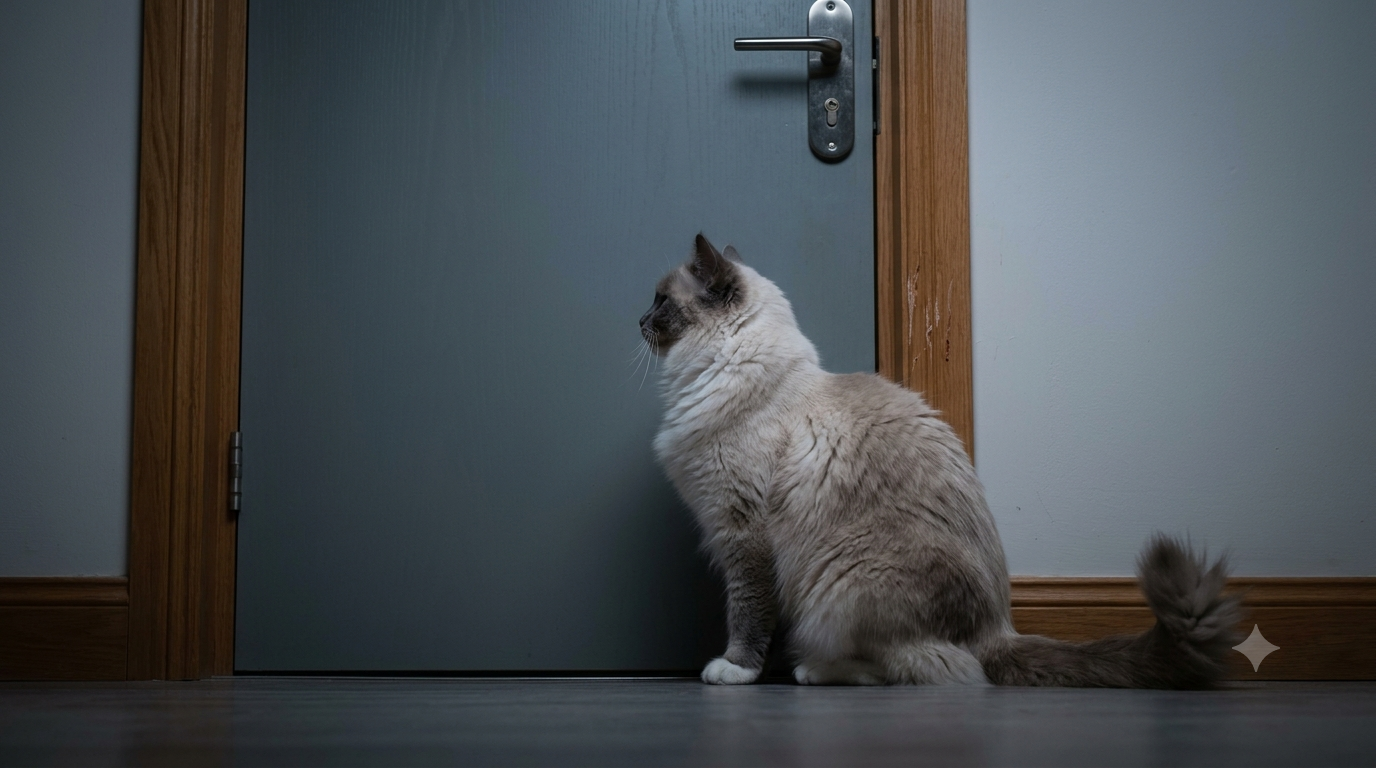
Pacing near doors or windows, especially around the times you normally leave or return, can also indicate anxiety tied to your absence. Some cats develop a heightened awareness of departure cues, like picking up keys or putting on shoes, and begin showing stress responses before you’ve even left.
Physical and Litter Box Changes
Ragdoll Cat Separation Anxiety can sometimes show up through physical symptoms rather than obvious behavior changes. Overgrooming, particularly around the belly, legs, or tail, is a stress-related behavior seen in some anxious cats and can lead to thinning fur or bald patches over time.
Litter box accidents, especially when they occur specifically during your absence rather than as a general pattern, can also point to anxiety. This is different from a medical litter box issue, though ruling out medical causes with your veterinarian is still an important first step.
Reduced appetite while you’re away, followed by eating more once you return, is another pattern some owners notice in anxious cats.
Destructive or Attention-Seeking Behavior
Some cats express separation-related stress through increased destructive behavior, such as scratching furniture or knocking items over more than usual. Excessive attention-seeking upon your return, including prolonged clinginess or vocalizing, can also be part of the pattern.
It’s worth noting that occasional versions of these behaviors are normal cat behavior and don’t necessarily indicate anxiety. The distinction usually comes from a clear pattern tied specifically to your comings and goings.
What You Can Do to Help
If you notice signs consistent with Ragdoll Cat Separation Anxiety, a few strategies may help. Keeping departures and arrivals low-key, rather than dramatic greetings or goodbyes, can reduce the emotional intensity your cat associates with your absence.
Providing enrichment such as puzzle feeders, window perches, and rotating toys gives your cat something engaging to focus on while you’re away. Leaving an item with your scent, like a worn t-shirt, is a simple step some owners find helpful for providing comfort.
For cats with more persistent anxiety, a veterinarian or veterinary behaviorist can help develop a tailored plan, which may include gradual desensitization to departure cues or, in some cases, additional support.
When to Involve Your Veterinarian
Because some physical symptoms of anxiety, like overgrooming or litter box changes, can overlap with medical conditions, it’s important to rule out health issues before assuming the cause is purely behavioral. A veterinary visit can help clarify whether you’re dealing with anxiety, a medical issue, or both.
Conclusion
Ragdoll Cat Separation Anxiety is a real concern for a breed known for its close attachment to people. Recognizing the signs, from vocalization and pacing to overgrooming and litter box changes, allows you to respond with appropriate support rather than mistaking the behavior for misbehavior.
With patience, environmental enrichment, and veterinary guidance when needed, most Ragdolls can learn to feel more secure during time apart from their owners.
FAQ
1. Do Ragdoll cats get separation anxiety more than other breeds? Ragdolls are known for being especially attached to their owners, which can make some individuals more prone to separation-related stress than more independent breeds.
2. What are the most common signs of separation anxiety in cats? Excessive vocalization, pacing, overgrooming, litter box accidents, and appetite changes tied to your absence are common signs.
3. Can separation anxiety cause physical symptoms in cats? Yes, overgrooming and appetite changes are physical signs sometimes linked to anxiety, though medical causes should be ruled out first.
4. How can I help my Ragdoll with separation anxiety? Keeping departures low-key, providing enrichment, and consulting your veterinarian for persistent cases can all help.
5. Should I see a vet if I suspect separation anxiety? Yes, since some symptoms overlap with medical conditions, a veterinary visit helps confirm the cause and guide next steps.