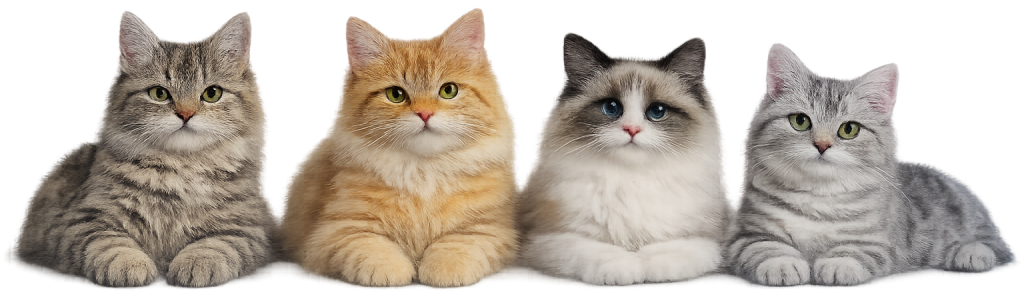
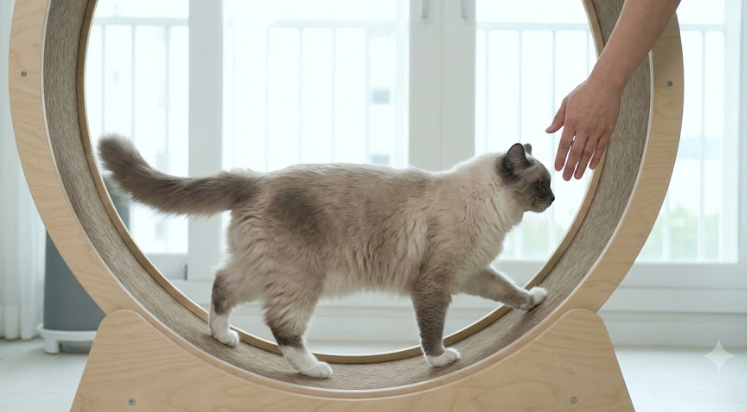
Ragdolls have a well-earned reputation for being relaxed and floor-loving, but that doesn’t mean Ragdoll Cat Exercise Needs can be ignored. Because the breed is naturally large and prone to a lower activity baseline, regular movement plays an important role in maintaining a healthy weight and supporting joint and cardiovascular health throughout their life.
Understanding realistic exercise expectations for this breed helps you build a routine that keeps your cat healthy without expecting the kind of nonstop activity seen in more athletic breeds.
Why Exercise Matters for Ragdolls
Ragdoll Cat Exercise Needs deserve particular attention because the breed tends toward a naturally relaxed activity level combined with a large body frame. This combination can make Ragdolls more prone to weight gain than more active breeds if exercise and portion control aren’t managed together.
Given the breed’s known predisposition toward hypertrophic cardiomyopathy, maintaining a healthy weight through appropriate activity is one of the more meaningful things owners can do to support overall cardiovascular health, alongside regular veterinary care.
Realistic Activity Expectations
Unlike higher-energy breeds that may seek out constant activity, Ragdoll Cat Exercise Needs are generally met through shorter, more frequent bursts of play rather than sustained high-intensity movement. Most healthy adult Ragdolls do well with a couple of short play sessions daily, often around ten to fifteen minutes each, rather than one long session.
Kittens typically show more natural energy and play drive, which can help meet exercise needs somewhat organically during the extended kittenhood this breed experiences. As cats mature into adulthood, structured play generally becomes more important since natural activity levels tend to decrease.
Effective Ways to Encourage Movement
Interactive wand toys that mimic prey movement tend to engage Ragdolls well, encouraging pouncing, chasing, and batting motions that provide meaningful physical activity. Because Ragdolls tend to prefer floor-level activity over high climbing, keeping play closer to the ground often produces better engagement than encouraging jumps onto tall furniture.
Puzzle feeders that require some physical effort to access food combine mental stimulation with light activity, which can be particularly useful for cats that show less interest in traditional toy-based play as they age.
Rotating toys periodically helps maintain interest, since cats often lose enthusiasm for the same toy left out continuously.
Exercise for Senior Ragdolls
Ragdoll Cat Exercise Needs shift again in the senior years, when joint stiffness or reduced mobility may limit the intensity of appropriate activity. Gentle, low-impact play, along with encouraging movement through strategically placed resources like food, water, and resting spots on the main floor, helps keep senior cats engaged without overexertion.
Any noticeable reluctance to move, stiffness, or reduced interest in previously enjoyed play should be discussed with your veterinarian, since this can sometimes indicate arthritis or other age-related conditions rather than simple disinterest.
Weight Management and Exercise Together
Because Ragdolls are prone to weight gain, pairing consistent exercise with appropriate portion control tends to produce better results than either approach alone. Regular weigh-ins, whether at home or during veterinary visits, help track whether your current activity and feeding routine is maintaining a healthy weight.
If your cat is already overweight, your veterinarian can help design a combined exercise and diet plan tailored to a safe, gradual approach rather than an overly aggressive one.
Signs Your Ragdoll Needs More Activity
Excessive weight gain, disinterest in surroundings, or increased destructive behavior can sometimes indicate a cat isn’t getting enough physical or mental stimulation. Increasing structured play sessions and environmental enrichment often helps address these issues before they become more significant health or behavior concerns.
Conclusion
Ragdoll Cat Exercise Needs are real, even though the breed’s laid-back reputation might suggest otherwise. Short, consistent play sessions tailored to your cat’s age and mobility help support a healthy weight, joint health, and overall wellbeing throughout their life.
By pairing regular activity with appropriate nutrition and veterinary guidance, you can help your Ragdoll stay healthy and engaged at every life stage.
FAQ
1. How much exercise does a Ragdoll cat need daily? Most healthy adult Ragdolls do well with a couple of short play sessions daily, around ten to fifteen minutes each.
2. Are Ragdolls prone to weight gain? Yes, their large frame and naturally relaxed activity level can make them prone to weight gain without consistent exercise and portion control.
3. What kind of toys work best for Ragdoll cats? Interactive wand toys and floor-level play tend to engage Ragdolls well, along with puzzle feeders for added mental stimulation.
4. Do senior Ragdolls still need exercise? Yes, though activity should be gentler and adjusted for any joint stiffness or reduced mobility that comes with age.
5. How do I know if my Ragdoll isn’t getting enough activity? Weight gain, disinterest in surroundings, or increased destructive behavior can be signs that more structured play and enrichment are needed.