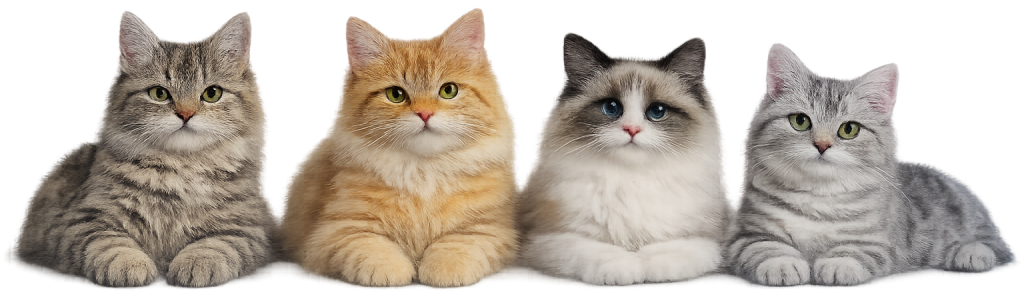
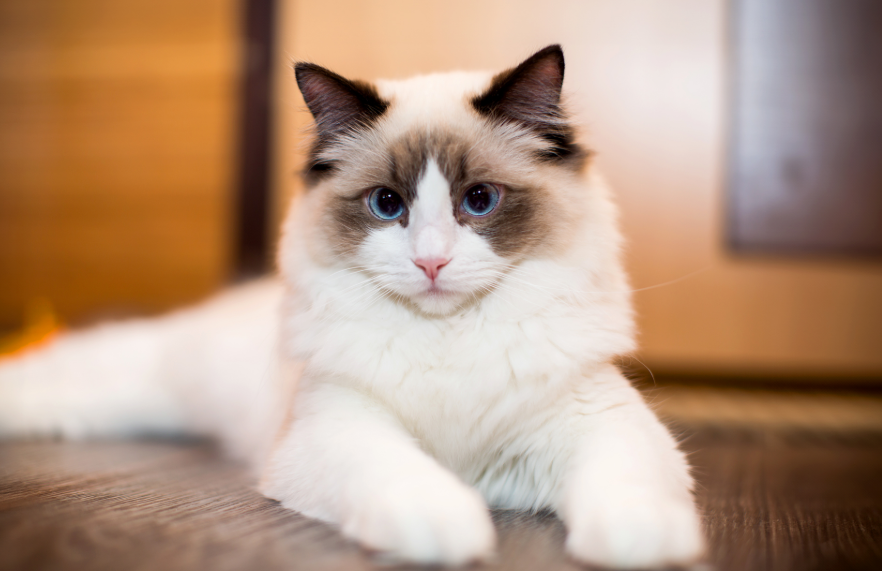
If you share your home with a Ragdoll, you already know they aren’t the quiet type. Ragdoll Cat Meowing is one of the breed’s most talked-about traits, and for good reason — these cats tend to be soft-spoken but surprisingly chatty, often trilling, chirping, or meowing to stay in conversation with their favorite people. While most of this vocalizing is simply part of who Ragdolls are, understanding the patterns behind it helps you know when your cat is just saying hello and when they might be asking for something more.
Ragdolls are known for their affectionate, people-oriented personalities, and their meowing is closely tied to that trait. Unlike more independent breeds, Ragdolls often want to be involved in whatever their owner is doing, and vocalizing is one of the main ways they stay connected. That said, changes in tone, frequency, or context can sometimes point to hunger, stress, discomfort, or an underlying health issue worth watching.
Why Ragdolls Are Known for Meowing
Ragdoll Cat Meowing is often described as gentle and melodic rather than loud or harsh. Many owners note that their Ragdoll’s voice is softer than that of other vocal breeds, with frequent trills and chirrups mixed in with traditional meows.
This vocal nature is closely linked to the breed’s temperament. Ragdolls are typically described as social, easygoing, and closely bonded to their households. Because they tend to follow their owners from room to room, meowing often functions as a way of staying in touch or announcing their presence.
Individual personality also plays a role. Some Ragdolls are naturally more talkative than others, and this can vary based on upbringing, environment, and how much interaction the cat receives throughout the day.
Common Reasons Behind the Meowing
Some Ragdoll Cat Meowing Causes are simply everyday communication rather than signs of a problem. Greeting meows are common when you return home or enter a room, as many Ragdolls like to acknowledge their owner’s presence.
Attention-seeking is another frequent reason. Because Ragdolls thrive on companionship, a cat left alone for long stretches may meow more as a way of requesting playtime, petting, or company.
Hunger-related meowing often follows a predictable pattern, increasing around usual mealtimes or when a cat anticipates feeding. Establishing a consistent feeding schedule can help reduce this type of vocal demand.
Environmental changes may also trigger extra meowing. New furniture, a recent move, an unfamiliar visitor, or the addition of another pet can temporarily increase vocalization as your cat adjusts.
When Meowing May Signal a Health Concern
While much of Ragdoll Cat Meowing is behavioral, certain patterns may indicate an underlying health issue. Older Ragdolls that begin meowing more frequently, especially at night, may be showing signs of age-related cognitive changes or sensory decline, such as reduced hearing or vision.
Excessive vocalizing paired with weight loss, increased thirst, or changes in appetite can sometimes be associated with conditions like hyperthyroidism, which is more common in senior cats. Ragdolls are also a breed with a known predisposition toward hypertrophic cardiomyopathy, so any sudden change in behavior alongside lethargy or breathing changes deserves prompt veterinary attention.
Pain or discomfort can also cause a normally quiet cat to become more vocal, or a chatty Ragdoll to meow in a different tone than usual. If meowing sounds strained, unusually loud, or is paired with hiding or reduced mobility, a veterinary visit is a reasonable next step.
Reading Your Ragdoll’s Vocal Cues
Learning to interpret Ragdoll Cat Meowing patterns takes a bit of observation. Short, soft meows during interaction often signal contentment or a simple greeting. Repeated, insistent meowing near the food bowl or kitchen usually points to hunger.
Long, drawn-out meows, particularly at night, may indicate boredom, anxiety, or in older cats, disorientation. Meowing that seems to come from nowhere obvious, especially if it’s new or escalating, is worth mentioning to your veterinarian so other causes can be ruled out.
Tracking when the meowing happens, how it sounds, and what else is going on around your cat can give you and your vet useful context if an appointment becomes necessary.
Tips for Managing Excessive Meowing
If your Ragdoll’s meowing feels excessive, a few adjustments may help. Keeping a consistent daily routine for feeding, play, and attention can reduce anxiety-driven vocalizing.
Interactive play sessions, puzzle feeders, and dedicated one-on-one time can help satisfy a Ragdoll’s need for engagement, which may reduce attention-seeking meows throughout the day.
Avoid responding to demanding meows with immediate food or attention every time, as this can reinforce the behavior. Instead, try offering attention on your own schedule so your cat learns that calm behavior is also rewarded.
If meowing increases suddenly or doesn’t respond to routine changes, a veterinary checkup can help rule out pain, thyroid changes, or other medical causes before assuming it’s purely behavioral.
Conclusion
Understanding Ragdoll Cat Meowing helps you appreciate one of the breed’s most charming traits while staying alert to changes that matter. In most cases, a chatty Ragdoll is simply expressing their social, affectionate nature. However, new or escalating vocal patterns, especially in senior cats, are worth discussing with your veterinarian.
By paying attention to your cat’s normal vocal habits, you’ll be better equipped to notice when something is off — and better able to enjoy the everyday conversations that make Ragdolls such rewarding companions.
FAQ
1. Are Ragdolls naturally more vocal than other cat breeds? Ragdolls are often described as moderately vocal with a soft, melodic voice, though individual personality varies from cat to cat.
2. Why does my Ragdoll meow when I leave the room? This is often a sign of their social nature and attachment to their owner rather than a cause for concern, though it can occasionally reflect separation-related stress.
3. Should I be worried if my older Ragdoll starts meowing more at night? Increased nighttime vocalizing in senior cats can be linked to age-related changes and is worth mentioning to your veterinarian.
4. Can I train my Ragdoll to meow less? Consistent routines, playtime, and not reinforcing demanding meows with immediate attention can help reduce excessive vocalizing over time.
5. When does meowing become a medical concern? If meowing changes suddenly in tone or frequency, or is paired with appetite changes, weight loss, or lethargy, a veterinary visit is recommended.